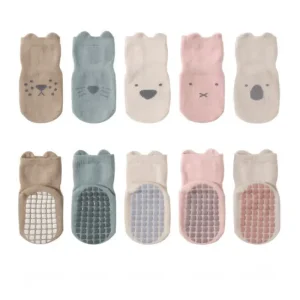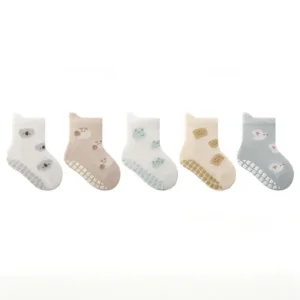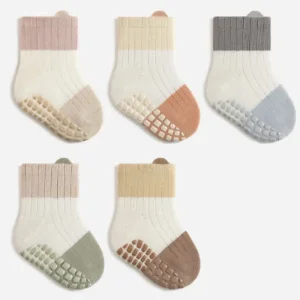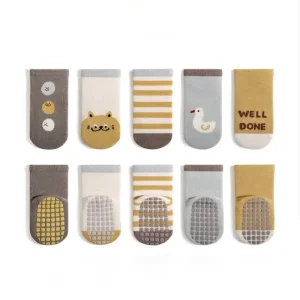
High-Velocity Seasonal Baby Sock Collections in Poland
Curated specifically for Warsaw, Kraków, and regional CEE retailers requiring high breathability, thermal comfort, and zero-irritation linking seams.
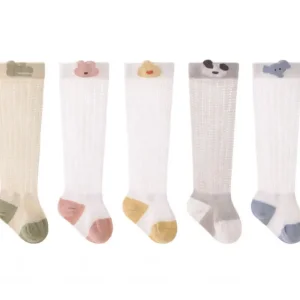
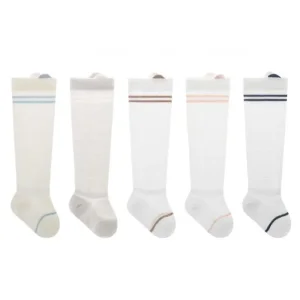
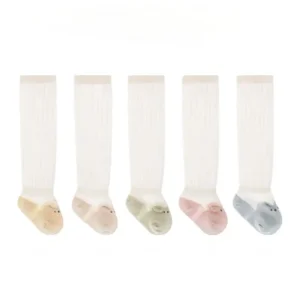
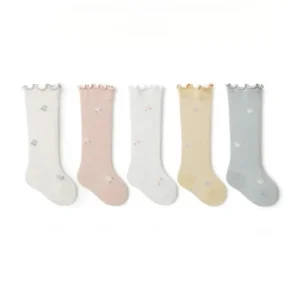
Commercial & Industrial Landscape of Infant Hosiery in Poland
Strategic analysis for enterprise importers, chain stores, and e-commerce leaders operating across the Polish retail corridor.
The Polish children’s apparel and infant accessories industry has matured into one of the most discerning and resilient consumer sectors across the European Union. While historical manufacturing strongholds such as the Łódź textile district have traditionally anchored domestic production, structural rises in European labor costs and energy rates have driven prominent Polish brands (marki odzieżowe), retail chains, and international supermarket concessions to pivot toward dependable, vertically integrated overseas production alliances.
Today, Poland acts not merely as a high-density consumer base of approximately 38 million individuals, but as the primary logistical gateway into Central and Eastern Europe (CEE). Major fulfillment operations in regions like Silesia, Poznań, and near the German border service rapid omnichannel replenishment across Poland, Germany, Czechia, Slovakia, and the Baltic States. Infant socks represent a critical, high-margin consumable item within this distribution grid. Driven by platforms such as Allegro, modern e-commerce formats, and established hypermarket systems (such as Biedronka, Dino, Rossmann, and Pepco), inventory turnover cycles demand extraordinary precision in both fiber composition and scheduled bulk deliveries.
Modern Polish parents are exceptionally well-informed. There is an emphatic pivot away from indiscriminate synthetic knits toward breathable, natural fibers, non-constrictive elastic tops (ściągacze bezuciskowe), and hand-linked seamless toes (płaskie szwy typu rosso / seamless linking). Importers who rely on fragmented intermediary agents or low-grade spinning mills face escalating returns, brand degradation, and stringent scrutiny under Polish trade inspections (UOKiK). Strategic sourcing directly from an audited, technologically advanced Chinese production powerhouse has emerged as the definitive blueprint for sustained retail profitability.
Engineering Supply Dominance: Why Partner with Sichuan MiFo
Closing the gap between high-volume Chinese manufacturing muscle and nuanced Central European retail demands.
Unmatched Economies of Scale
By producing over 200 million pairs annually across 42,000 square meters of specialized hosiery workshops, our bulk fiber procurement (combed cotton, certified organic cotton, bamboo rayon) achieves unit costs unobtainable by local European workshops.
Next-Gen Computerized Knitting
We deploy high-gauge Lonati and specialized computerized double-cylinder machinery (96N, 108N, 120N, and 144N dedicated infant barrels) ensuring micro-stitch stability, feather-light skin contact, and anatomical heel contours that do not slip off tiny feet.
Full Direct-To-Shelf Customization
Complete custom packaging designed for Polish consumer shelves: EAN-13 barcodes, bilingual Polish/English hanging header cards, FSC-certified eco-kraft belly bands, and customized anti-theft hooks formatted directly for major distributor warehousing.
Stringent Regulatory Compliance for Poland & the EU Single Market
Protecting your brand against customs holds, consumer complaints, and EU regulatory sanctions with rigorous verified lab protocols.
OEKO-TEX® Standard 100 Class I
All baby socks conform strictly to OEKO-TEX Standard 100 Class I criteria for products in contact with babies and toddlers up to 36 months, verifying total absence of harmful azo dyes, formaldehyde, nickel, and volatile compounds.
EU REACH Regulation Compliance
Chemical safety is guaranteed under Regulation (EC) No 1907/2006 (REACH). Zero restricted phthalates are utilized in our non-slip silicone pads (antypoślizgowy silikon), preventing carcinogenic or endocrine risks even when infants put socks in their mouths.
Social Compliance: BSCI & Sedex
Our production facilities are continuously audited under BSCI and Sedex SMETA criteria, giving Polish corporate retail groups and Western institutional procurement divisions the absolute transparency necessary for clean ESG reporting.
Tailored Sock Architecture for the Polish Lifestyle & Seasons
Addressing the specific continental weather variations and domestic lifestyle habits of Central European households.
First Wardrobe Layettes (Wyprawka dla Noworodka)
Hospital and post-natal home essentials crafted from pure unbleached organic combed cotton. Zero-pressure ribbing avoids restricting delicate infant blood vessels while preventing slippage during involuntary foot movement.
Toddler First Steps on Hardwood & Tile
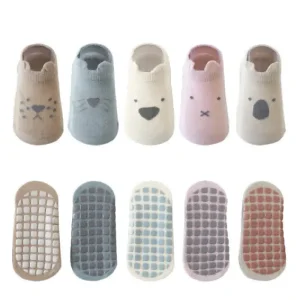
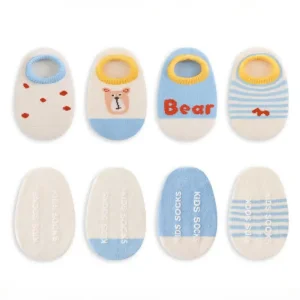
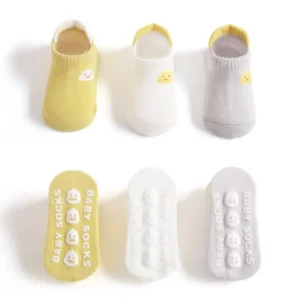
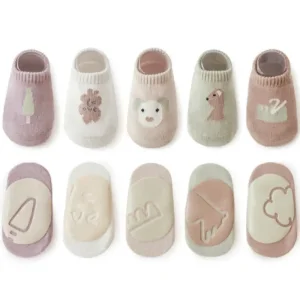
Polish flats and modern suburban homes widely feature wooden parquet (parkiet) and ceramic tile. Our anti-slip (ABS) gripper lines feature calibrated medical-grade silicone patterns that provide real friction without causing gait impediment or discomfort.
Rigid Winter & Temperate Spring Swings
Addressing Central European continental winters with dense terry cushion loops (frotte) and thermal organic blends, paired with ultra-light mesh weaves designed for balmy Baltic coastal summers and forest strolls.
Build Your Custom Polish Retail Sock Line
Direct technical consultation, sample prototypes shipped within 7 days, and DDP rail/sea logistics quotes.
Direct Chengdu-to-Małaszewice Railway Corridor
Unlocking an unbeatable supply-chain transit advantage for Polish and CEE distributors via the New Silk Road.
One of Sichuan MiFo Technology’s most definitive strategic advantages for the Polish market is our geographic and logistical anchor in Sichuan, China. Chengdu operates as the southern nucleus of the China-Europe Railway Express (Yuxinou & Chengdu-Europe Railway). For Polish importers, this infrastructure bypasses the unpredictable 35–45 day sea transit route around the Cape of Good Hope, connecting our automated warehouse directly to the Małaszewice intermodal transshipment terminal in Poland within 14 to 18 days.
This rail connection provides Polish sock distributors and brand holders with unmatched working-capital velocity. Seasonal collections can be knit, packaged with custom Polish retail typography, cleared through customs, and merchandised on store shelves weeks ahead of competitors who rely exclusively on ocean routes. For massive baseline replenishment, we also run high-cube container consolidation via major coastal hubs directly to the Port of Gdańsk, ensuring the lowest possible freight cost per pair.
Procurement FAQ: Sourcing Baby Socks for Poland & the EU
Essential technical and transactional answers for sourcing directors, quality engineers, and merchandise buyers.
What is the typical Minimum Order Quantity (MOQ) for custom baby socks?
For custom yarn colors, specific jacquard artwork, and bespoke silicone grip configurations, our standard production MOQ is typically 1,000 to 2,000 pairs per design/size. For high-volume multi-pack retail programs destined for chain supermarkets, orders scale seamlessly to hundreds of thousands of units.
How do you guarantee safe toe seams for infant extremities?
We implement computerized auto-linking and hand-linking (Rosso-free) seam craftsmanship. This eliminates the bulky, raised ridge found on substandard hosiery, eradicating friction abrasions and preventing loose internal threads from entangling delicate infant toes (hair tourniquet syndrome).
Are custom silicone grip patterns completely safe for babies?
Yes. All anti-slip dots, custom animal prints, and brand logos applied to our soles utilize non-toxic, eco-friendly plastisol or pure liquid silicone free of phthalates, BPA, and heavy metals, fully compliant with EN 71-3 toy safety chemistry and EU REACH annex XVII restrictions.
Can you provide packaging fully translated into the Polish language?
Absolutely. Our packaging engineering unit produces retail-ready header cards, kraft paper boxes, and barcode labels incorporating mandatory Polish text: fiber breakdown (skład: np. 80% bawełna czesana, 17% poliamid, 3% elastan), care wash symbols, and designated distributor data.
What is the standard production and shipping lead time to Poland?
Pre-production prototypes take 5 to 7 days. Mass automated knitting requires 20 to 30 days depending on volume. Shipping via the direct Chengdu-Małaszewice rail line takes roughly 14–18 days, while sea freight to Gdańsk averages 32–38 days.
Can we audit your factory or request third-party inspections?
We welcome third-party technical and ethical inspections (SGS, TÜV Rheinland, Intertek, or Bureau Veritas) commissioned by our European buyers, and we maintain fully documented, up-to-date BSCI and Sedex SMETA audit portfolios accessible upon inquiry.
Comprehensive Baby & Infant Sock Series for Polish Distributors
Engineered for maximum softness, certified anti-slip functionality, and lasting elasticity wash after wash.