Regional Sourcing Economics
The Infant Apparel Sourcing Paradigm in Costa Rica
Costa Rica stands as an economic beacon in Central America, characterized by the highest per capita purchasing power in the region, an expanding middle class across the Gran Área Metropolitana (GAM including San José, Alajuela, Heredia, and Cartago), and stringent consumer protection standards administered by the Ministerio de Economía, Industria y Comercio (MEIC).
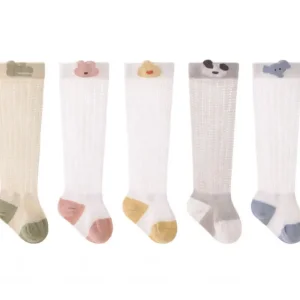
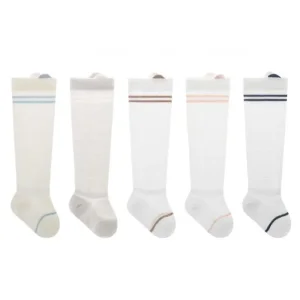
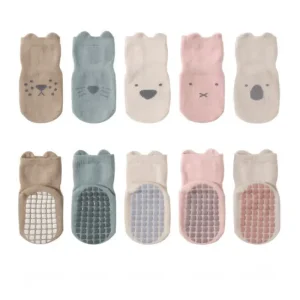
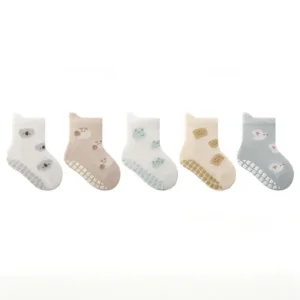
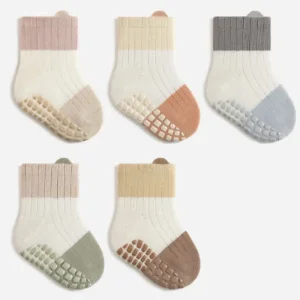
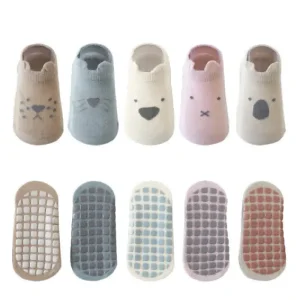
However, the local manufacturing landscape in Costa Rica has progressively shifted its industrial capacity away from baseline consumer textile knitting toward advanced medical devices, precision instruments, and high-tech electronics within the Free Trade Zones (Zonas Francas). Consequently, indigenous industrial capacity for specialized infant hosiery—which requires delicate 144N to 200N fine-gauge computerized knitting, non-toxic eco-silicone grip injection, and seamless linking—remains extremely constrained.
Costa Rican boutique children's brands, major department chains (such as those serving Multiplaza and Avenida Escazú), and healthcare distributors face an acute challenge: regional suppliers offer limited thread counts, coarse seams that cause infant plantar irritation, and volatile order minimums. To sustain competitive margins, retailers are orchestrating strategic offshore manufacturing models that pair local market intelligence with advanced East Asian hosiery engineering.