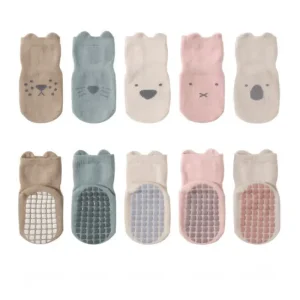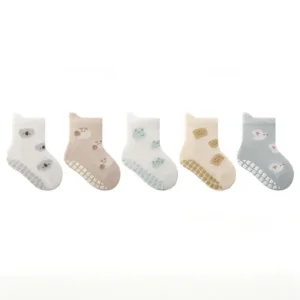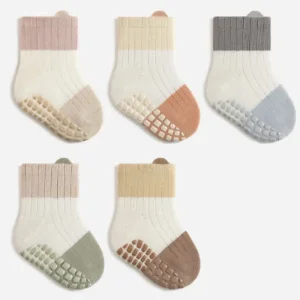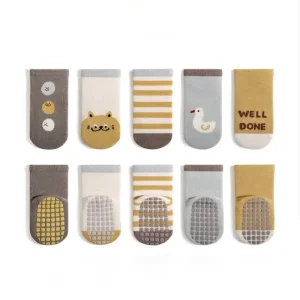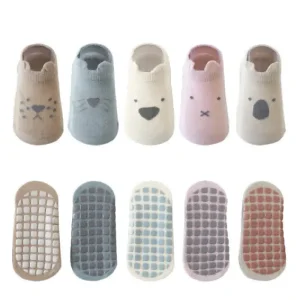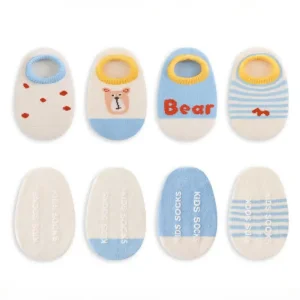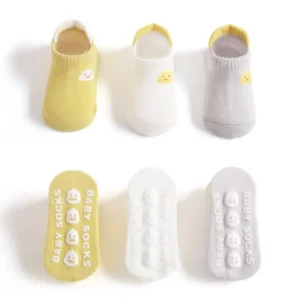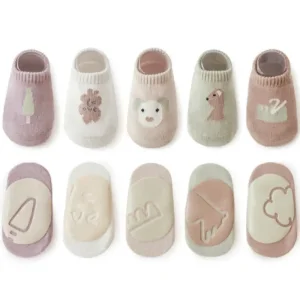
High-Velocity Seasonal & Functional Baby Socks for Greater Boston
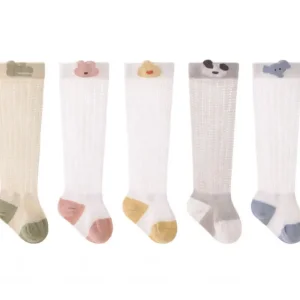
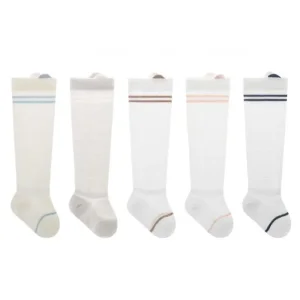
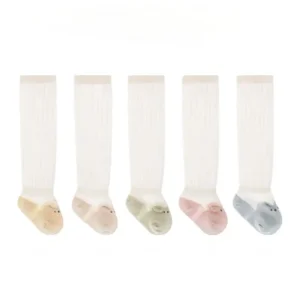
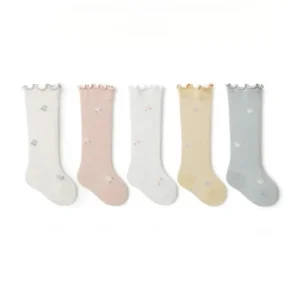
Engineered for New England's dynamic climatic shifts—from humid coastal summers to sub-zero winters. Featuring seamless sensory toe-linking, non-toxic botanical micro-capsule finishing, and ultra-breathable mesh matrix architectures.
The Greater Boston Infant Apparel Ecosystem: Standards & Retail Mechanics
Analyzing procurement behavior, demographic nuances, and clinical benchmarks across Massachusetts and the New England supply corridor.
Clinical-Grade Safety Ecosystem
Boston's world-renowned pediatric network—anchored by institutions like Boston Children's Hospital and Massachusetts General Hospital—sets an exceptionally high standard for infant skin compatibility. Local parenting culture prioritizes dermatologically tested, non-teratogenic polymers, zero-formaldehyde scouring, and hypoallergenic botanical combed yarns that guard against pediatric dermatitis.
Boutique Retail vs. High-Volume E-Commerce
From upscale physical boutiques along Newbury Street, Beacon Hill, and Cambridge to regional omnichannel hubs distributing across New England, procurement requires agile manufacturing models. Sourcing managers require variable packaging assortments, gift-ready presentation formats, and barcode SKU compliance for automated fulfillment centers.
The New England Climate Demands
With biting Nor'easter blizzards yielding to warm, muggy summers, Boston consumers do not tolerate monolithic sock weight. Product assortments require distinct seasonal calibrations: 144N to 168N thin organic mesh for high-humidity months, complemented by high-pile interior terry loops and thermal brushed acrylic blends for harsh coastal winters.
Technical Architecture: Knitting Precision & Material Matrix
Comprehensive specifications detailing machine needle selection, polymer engineering, and friction coefficient testing for export-grade infant footwear.
| Performance Parameter | Technical Specification | Laboratory Verification Standard | Boston Market Application |
|---|---|---|---|
| Knitting Resolution | 144N / 168N / 200N High-Gauge Computerized Cylinders | ASTM D3887 Dimensional Stability Testing | Seamless toe closure minimizing sensory irritation for neonates |
| Fiber Composition | 80% GOTS Combed Cotton, 17% Polyamide 6.6, 3% RoICA Spandex | OEKO-TEX Standard 100 Class I (Baby Articles) | Breathable, moisture-wicking daily comfort for variable New England weather |
| Traction Tread (Grip) | Phthalate-Free Liquid Silicone Rubber (LSR) Screen/Dispersion | ASTM F2913-19 Standard Test for Dynamic Slip Resistance | High-traction crawling/standing support on finished hardwood & tile |
| Tensile Cuff Retention | Ribbed graduated tension (1.2 to 1.8 kPa dynamic cuff force) | Instron Cyclic Elastic Recovery Analysis (5,000 cycles) | Zero-constriction non-marking cuff design preventing circulation restriction |
| Colorfastness & Leaching | Eco-reactive low-temperature dying, Zero heavy metal mordants | AATCC Test Method 61-2A (Accelerated Washing at 40°C) | Saliva-proof and perspiration-proof security for mouthing infants |
Future Technology Roadmap: 2025–2028 Next-Gen Infant Hosiery
Phase 1: Bio-Circular & Regenerative Fiber Integration (Current - 2026)
Full transition to non-GMO regenerative organic combed cotton, biodegradable elastane alternatives, and natural plant-based indigo and chlorophyll dyes to satisfy Boston’s progressive environmental retail sector.
Phase 2: Additive Micro-Grip & Kinetic Anatomical Mapping (2026 - 2027)
Integration of AI-driven pressure-mapping software that arranges silicone traction pads along the natural pediatric foot-strike trajectory, enhancing early-stage balance development for toddlers learning to walk on urban indoor flooring.
Phase 3: Sensor-Embedded Smart Infant Textiles (2027 - 2028)
Collaboration with Cambridge-based biotech and healthcare startups to test conductive yarn integration capable of passive biometric pulse oximetry and temperature monitoring without abrasive hardware touching sensitive infant dermis.
China Factory 4.0: Supply Chain Resilience Serving Massachusetts
Combining mega-scale vertical manufacturing with intelligent, automated digital knitting systems to insulate American retailers from supply shocks.
Automated Knitting Floor
Our 42,000 m² manufacturing complex utilizes high-speed computerized single-cylinder hosiery machines with automated yarn feeds and optical defect scanners. Optical AI sensors identify yarn breaks, tension disparities, and dropped stitches within 0.05 seconds, ensuring under 0.1% end-line rejection rates.
Scale Economics & Fiber Sourcing
Producing over 200 million pairs annually grants extensive raw yarn purchasing power. We secure Tier-1 long-staple combed cotton lots directly from verified spinning mills, cushioning US importers from unpredictable raw fiber cost fluctuations while maintaining strict lot-to-lot batch color consistency.
Intermodal Transit to New England Ports
Streamlined logistics routes coordinate expedited container transport via Pacific rail bridges or direct maritime shipping to the Port of Boston (Conley Container Terminal) or Port of NY/NJ, backed by bonded warehousing, automated palletization, and full EDI advance shipping notice capabilities.
Comprehensive US Compliance & Localized Buyer Safeguards
Zero-tolerance product safety protocols certified under United States and Massachusetts state statutory codes.
CPSIA & CPSC Compliance
Every bulk shipment undergoes third-party lab verification (SGS/Intertek/BV) validating compliance with the Consumer Product Safety Improvement Act (CPSIA). Guaranteed lead limits < 90 ppm, total phthalate concentration < 0.1%, and comprehensive small parts tension testing (15 lbf pull force) on any decorative attachments.
Audited Ethical Governance
Our facilities are fully certified and audited under BSCI, Sedex SMETA 4-Pillar, and WRAP guidelines. Boston institutional buyers with strict corporate social responsibility (CSR) charters can access fully unredacted social audit documentation, wage audits, and carbon tracking dashboards.
Packaging & Private-Label Customization
Tailored private-label packaging programs designed for North American retail racks, warehouse club multi-packs, or premium direct-to-consumer unboxing experiences. Services include FSC-certified recycled paperboard header cards, anti-theft RFID tag insertion, and localized GS1 UPC barcoding.
Ready to Scale Your Baby Sock Line in the Boston Market?
Connect with our technical merchandising team for custom yarn swatches, computerized tech packs, and rapid 5-day pre-production sampling.
Send Inquiry NowFrequently Asked Questions: Baby Sock Manufacturing for Boston Brands
Clear, direct technical and commercial answers addressing common queries from commercial sourcing directors.
❓ How do you ensure socks do not leave compression ring marks on infant ankles?
We engineer our infant cuffs utilizing specialized hollow core spandex or double-cylinder Lycra threads wrapped in combed cotton. This enables an expansive stretch ratio with gentle recovery tension (< 1.5 kPa), distributing holding friction evenly over a broader calf surface area rather than pinching blood circulation.
❓ Are your anti-slip silicone applications safe if infants mouth or chew on them?
Yes. We utilize 100% medical/food-contact grade Liquid Silicone Rubber (LSR) that is vulcanized at high temperatures to ensure zero outgassing. The silicone is free from BPA, phthalates, PVC, and lead, successfully meeting FDA Title 21 CFR regulations and passing stringent pediatric chew testing without flaking.
❓ What is the typical lead time from Boston purchase order approval to warehouse delivery?
For custom OEM/ODM production, prototype counter-samples require 5 to 7 working days. Bulk automated knitting and packaging take 20 to 30 days. Shipping via ocean freight to the US East Coast (Boston or New York gateways) takes 25 to 30 days, while priority air courier delivery is achievable in 4 to 7 business days.
❓ What are the Minimum Order Quantities (MOQs) for custom private label orders?
Our standard production baseline begins at 1,000 to 2,000 pairs per style/colorway across standardized infant size bands (0-6M, 6-12M, 12-24M, 2T-4T). Flexible pilot batch arrangements are available for emerging boutique brands launching curated collections in New England.
High-Performance Anti-Slip, Novelty & Organic Infant Socks
Select from our core catalog designs, engineered for custom OEM private labeling, branding modifications, and custom-tailored material blends.