
High-Performance Medical & Pediatric Footwear Collection
Explore our certified batch production lines engineered with hydrophobic, quick-drying fibers and slip-resistant polymers for clinical safety and comfort.
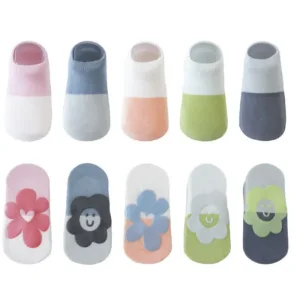
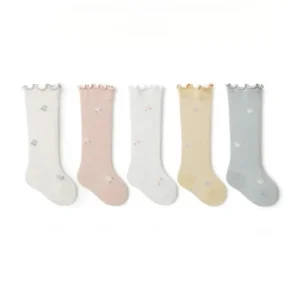
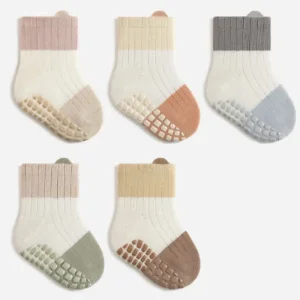
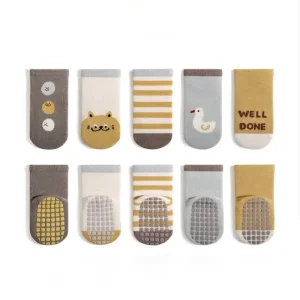
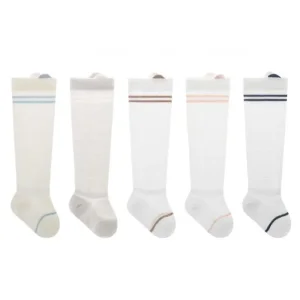
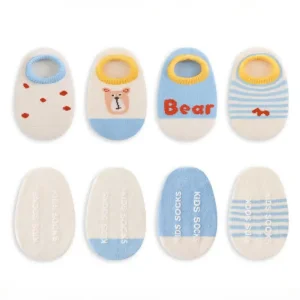
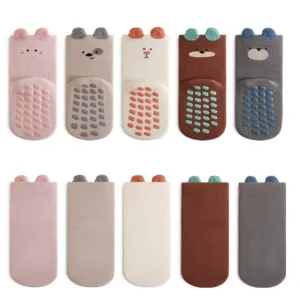
Evolutionary Shifts in Quick-Drying Hospital Footwear Manufacturing
Strategic insights into yarn mechanics, cross-contamination control, and fall prevention architecture.
Clinical White Paper Insight: In modern acute and post-acute healthcare environments, hospital-acquired complications (HACs)—specifically inpatient slips, cross-infections, and peripheral skin breakdown—are closely linked to patient footwear performance. Traditional hospital slipper socks composed of 100% standard carded cotton retain up to 24-27% moisture by dry weight when subjected to liquid spills or patient hyperhidrosis. This high moisture retention compromises skin integrity, promotes microbial colonization (including MRSA and Candida albicans), and dramatically diminishes kinetic friction against wet vinyl composition tile (VCT) surfaces.
Capillary Moisture Wicking
Quick-drying hospital footwear utilizes modified cross-section polyester and polyamide yarns (such as cross-shaped, trilobal, or multichannel extruded fibers). These micro-grooves draw fluid away from the epidermis via capillary action, expanding surface evaporation area and accelerating drying times by over 300% compared to standard open-end cotton.
Thermal & Chemical Stability
Institutional laundering standards (such as CDC and NHS guidelines) require resistance to thermal sanitation cycles exceeding 71°C (160°F) or rigorous chlorine-based bleaching. Advanced synthetic and blended yarns retain elastic memory and dimensional stability without structural degradation across repeated wash cycles.
Bacteriostatic Fiber Infusion
Rather than relying on surface sprays that rinse away, modern medical-grade filaments integrate silver-ion or zinc-pyrithione compounds directly into the polymer matrix during melt-spinning. This ensures 99.9% bacteriostatic efficacy against multi-drug resistant pathogens throughout the entire operational lifespan of the footwear.
Global Supply Chain Infrastructure & Output Stability
High-volume, ethically certified precision manufacturing serving healthcare groups, contract packagers, and institutional procurement teams globally.
Annual Capacity
Knitting Campus
On-Time Fulfillment
Export Destinations
Enterprise Sourcing Demands Across Clinical Frameworks
How Tier-1 health systems, group purchasing organizations (GPOs), and distribution distributors qualify clinical-grade footwear.
Standardized Risk Color Coding
Global acute care networks demand strict adherence to visual safety protocols. Red slippers denote severe drug or contact allergies, yellow indicates elevated patient fall risk under Morse Fall Scale assessments, and purple alerts clinicians to DNR (Do Not Resuscitate) directions. Color consistency must maintain 100% lot-to-lot chromatic accuracy under standard clinical LED lighting.
Double-Sided Continuous Grip
Post-surgical, geriatric, and sedated patients frequently experience foot rotation during transfer or unassisted ambulation. Procurement tenders increasingly specify 360-degree dual-surface polymer dispensing. Whether the footwear shifts, inverts, or partially slips off, high-traction tread remains in direct contact with clinical flooring.
Non-Constrictive Radial Knit
Circulatory impairment, peripheral edema, and diabetic neuropathy require zero-pressure cuffs. Our automated electronic knitting machines engineer graduated elastane tension, preventing localized tourniquet effects and skin shear while maintaining sufficient axial tension to prevent heel displacement during movement.
China Smart Factory 4.0: Supply Chain Resilience & Lean Velocity
Combining automated knitting, automated polymer dispensing, and digitized inventory control to mitigate supply chain volatility.
High-Precision Computerized Knitting
Our 42,000 m² Sichuan facility operates rows of fully digitized multi-gauge sock knitting machines. Optical break-sensors and automated yarn feeding systems ensure exact stitch density, eliminate seam protrusion along vulnerable toe phalanges, and reduce fabric defect rates below 0.12% across multi-million piece purchase orders.
Automated Screen & Silicone Dispensing
Traction grip application utilizes automated, multi-axis liquid silicone rubber (LSR) and phthalate-free PVC thermal screen systems. Grip geometry, thickness, and compound shore-hardness are maintained under laser scrutiny, securing ASTM F1677 / F2913 dynamic slip resistance standards on both dry and fluid-contaminated surfaces.
Audited Social Compliance (BSCI & Sedex)
Operational stability is rooted in fair labor practices and certified quality control. The MiFo complex operates under strict, regularly renewed BSCI (Business Social Compliance Initiative) and Sedex SMETA 4-pillar audits, providing international purchasing managers with uncompromised regulatory and ESG traceability.
Regional Demand Analysis & Sourcing Vectors
A comparative overview of operational dynamics shaping medical footwear purchasing across major commercial regions.
| Procurement Region | Primary Clinical Driver | Mandatory Standards | Predominant Construction Need | Packaging & Volume Profile |
|---|---|---|---|---|
| North America (US & Canada) | Inpatient fall reduction programs & Joint Commission mandates | OEKO-TEX 100, FDA registered facility, Prop 65 | Double-tread terry synthetic blend; color-coded clinical safety sizing | Bulk polybag roll-packs; barcoded inner master cartons; rapid re-order programs |
| European Union & UK | Cross-infection control, zero chemical leaching & ESG tracking | REACH, CE Medical Device Class 1, BSCI, Sedex | Bacteriostatic micro-polyester; non-slip low-profile sole; flat-lock toe seam | Eco-friendly biodegradable inner film wraps; standardized metric size labeling |
| Middle East & APAC | Growth in private hospital networks & medical tourism centers | ISO 9001, OEKO-TEX Standard, SGS slip-test validation | Breathable, ultra-quick-dry open-mesh instep; non-slip patterned silicone base | Individual sterile peel-pouches or retail-ready custom branded gift boxes |
Localized Application Scenarios in Healthcare Architecture
Tailored engineering configurations designed for specific functional zones across hospital and institutional care facilities.
Ambulatory & Same-Day Surgery
Patients transitioning from pre-op holding areas to discharge suites require easy-donning footwear that repels surface fluids, sanitizing sprays, and disinfectant rinses while preventing slips on smooth recovery wing vinyl floors.
Geriatric & Extended Care
Residents with limited joint mobility benefit from expanded cuff diameters and non-binding ankles that do not restrict blood flow, combined with aggressive non-slip silicone traction patterns from heel to toe.
Pediatric & Children’s Wards
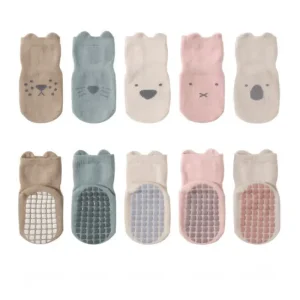
Infant and toddler hospital lines balance skin safety with practical functionality. Made from OEKO-TEX certified combed cotton and quick-drying nylon blends, they feature non-abrasive interior finishes and friendly visual accents.
Maternity & Post-Partum Suites
Maternity floors feature fluctuating moisture conditions and mobile recovery routines. Quick-evaporating synthetic-blend socks maintain warmth, keep skin dry, and provide secure footing during early post-delivery ambulation.
Technical, Supply Chain & Customization Questions
Essential details for institutional procurement directors, medical distributors, and contract brand managers.
What specific fiber blend provides the optimal quick-drying time in hospital footwear?
The industry standard for quick-drying clinical footwear combines engineered multi-channel polyester (65-75%), high-filament nylon (20-30%), and covered spandex (3-5%). Multi-channel polyester fibers dramatically enhance capillary action, pulling sweat away from the skin toward the outer shell. This structure enables full moisture dispersion up to four times faster than carded pure cotton, helping maintain patient skin health while resisting continuous hospital wash cycles.
How does your factory test and certify non-slip friction against wet medical flooring?
Our production samples undergo dynamic coefficient of friction (DCOF) testing aligned with ASTM F2913 and ASTM F1677 (Brungraber Mark II) testing methodologies across vinyl composition tile (VCT), polished terrazzo, and sealed epoxy concrete under dry, water-wet, and detergent-slick conditions. Our proprietary medical-grade silicone grip formulations consistently achieve dynamic friction coefficients well above the clinical safety threshold of 0.50 DCOF.
Can our procurement team customize safety color-coding, logo prints, and barcode packaging?
Yes. As a direct OEM/ODM manufacturer, Sichuan MiFo Technology Co., Ltd. provides full end-to-end customization. We can match pantone shades for clinical risk coding (Red for allergies, Yellow for fall hazards, Green for safe mobility), integrate custom institutional silicone logos, and support variable packaging options—including individual flow-packs with UDI/GS1 barcodes, tear-strip dispenser master boxes, or shrink-banded bundles.
What minimum order quantities (MOQ) apply to custom OEM medical sock programs?
For custom knitting involving specific Pantone fiber dyeing and dedicated silicone grip printing molds, standard MOQ begins at 1,000 to 3,000 pairs per size/colorway. For existing medical-grade running styles or stock yarn programs, we support low-barrier initial trial runs. Production capacity of over 200 million pairs annually enables scalable fulfillment for small pilot studies up to national health network contracts.
What ethical, clinical, and environmental certifications does MiFo maintain?
Our manufacturing complex maintains audited compliance under BSCI and Sedex SMETA. All raw yarn formulations and silicone compounds meet OEKO-TEX Standard 100 Class I (safe for infants) and Class II requirements, verifying that finished goods are free of phthalates, heavy metals, latex allergens, and cytotoxic chemicals.
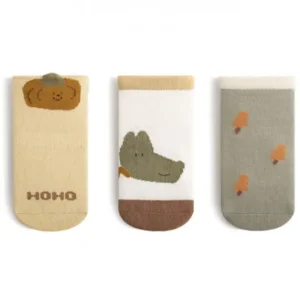
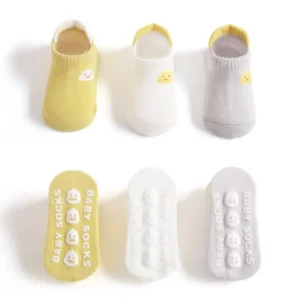
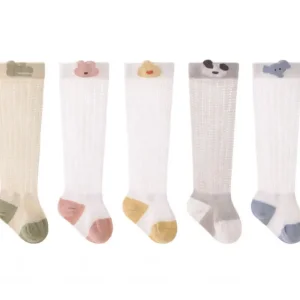
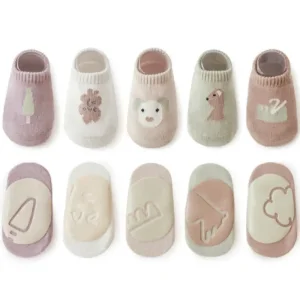
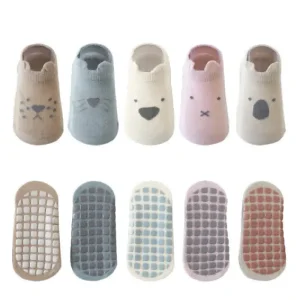
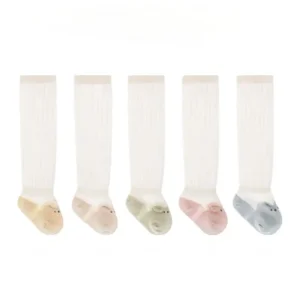
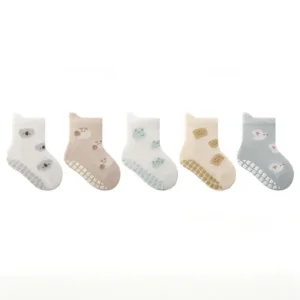
Secondary Pediatric & Family Medical Collection
Explore our broader manufacturing program covering infant, toddler, and specialized grip hosiery lines.
Initiate Your Custom Hospital Footwear Program
Partner directly with Sichuan MiFo Technology Co., Ltd. for sample development, technical specifications, and factory-direct volume pricing.
Connect With Sourcing Engineers