
Signature Production Lines & OEM Foundations
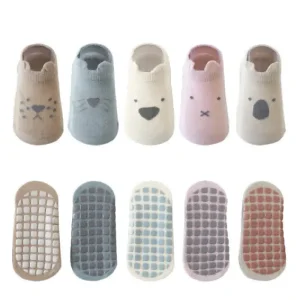
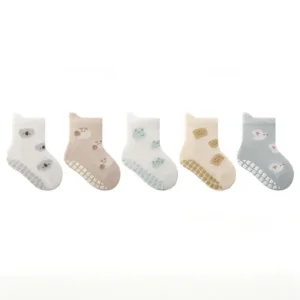
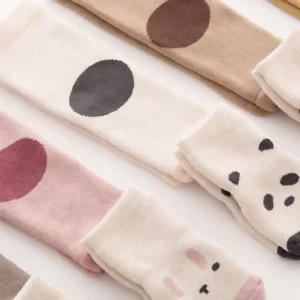
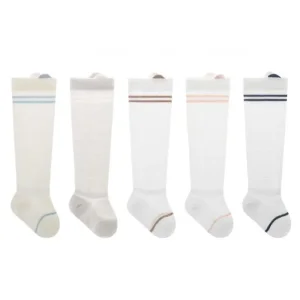
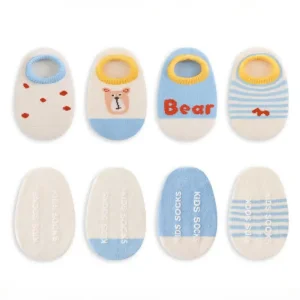
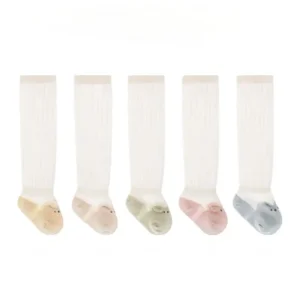
Explore our high-demand structural product bases. Every design is fully customizable across yarn count, needle configuration (96N–200N), silicone grip polymer distribution, and bespoke institutional packaging.
Global Men's Ankle Socks Market Structure & Supply Chain Paradigm
A rigorous examination of production capacities, yarn consumption vectors, automated knitting economics, and shifting distribution footprints shaping the $14.8B worldwide low-cut hosiery market.
The global men's ankle socks industrial supply chain has moved radically away from basic low-gauge white cotton tubes. Today, the modern ankle sock operates as a highly complex biomechanical interface. It bridges footwear ergonomics, skin microclimate management, and micro-compression support. With the athletic leisure surge across North America, Europe, and the Asia-Pacific region, institutional procurers, corporate merchandising directors, and sportswear brands require unprecedented quality verification, technical certification, and low-waste production footprints.
Modern production facilities must now deploy computerized single-cylinder circular knitting machines capable of dynamic tension alterations. Integrating multi-axis elastane feeding, high-definition terry cushion profiling, and automated seamless toe-closing (Rosso and hand-linked quality equivalencies) is mandatory for top-tier market penetration. As large retail conglomerates rationalize vendor rosters, the competitive advantage belongs solely to vertically consolidated hosiery groups that unify raw combed yarn sourcing, antimicrobial polymer infusion, silicone grip extrusion, and automated retail display packaging within unified industrial hubs.
Performance Compression Mapping
Modern ankle socks demand anatomically shaped plantar arch bands that apply graduated compression (12–18 mmHg) around the midfoot. This structural engineering eliminates sock rotation inside training footwear while simultaneously enhancing venous blood flow during high-intensity intervals.
Yarn Blending & Micro-Denier Fibers
Transitioning from standard carded fibers to long-staple combed cotton (Ne 32/1 to 40/1) coupled with dope-dyed air-covered spandex (Lycra®) and antimicrobial polyamide 6.6 ensures abrasion resistance exceeding 25,000 Martindale cycles without structural pilling.
Seamless Linking Automation
Traditional looped linking causes bulky, irritating toe ridges. Modern high-gauge manufacturing employs robotic auto-linking heads that join toe chambers loop-by-loop. This provides an absolute flat-toe experience demanded by marathoners, corporate travelers, and institutional uniform providers.
Emerging Trends Reshaping Wholesale Men's Ankle Sock Production
Strategic analysis of bio-synthetics, circular knitting advancements, precision-engineered thermal venting, and regulatory compliance standards.
Circular Economy & GRS Polyesters
Global retailers face stringent ESG legislative deadlines. We weave post-consumer recycled polyethylene terephthalate (rPET) certified under the Global Recycled Standard (GRS), offering traceable circularity without compromising filament tensile strength or elasticity.
Bio-Polymer Antimicrobial Infusions
Rather than topical wash-off treatments, advanced men's athletic low-cut socks utilize silver ion (Ag+) or copper nano-particle compounds embedded permanently into the core fiber melt. This maintains a 99.9% reduction in staphylococcus epidermidis across 50+ industrial washes.
Micro-Zone Terry Cushioning
By programmatically activating half-cushion, sandwich-terry, or ultra-thin jacquard across specific Cartesian needle tracks, factories provide high-impact protection exclusively on the calcaneus heel and metatarsal heads, leaving the dorsal instep ultra-thin and ventilated.
Dynamic Ergonomic Left/Right Knits
Reflecting luxury podiatric design, high-end production lines manufacture asymmetrical toe contours matching the human foot anatomy (L/R indicators). This minimizes excess fabric bunching in performance sneakers, reducing friction-induced blister formation.
Technical Specification Matrix: Men's Ankle Socks by Market Vertical
Direct architectural blueprints designed for procurement directors, product managers, and supply chain analysts to calibrate mill briefs.
| Sector Application | Needle Count & Diameter | Optimal Fiber Composition | Structural Features | Target Buyer Demographics |
|---|---|---|---|---|
| Elite Performance Running & Trail | 168N / 200N (3.75" Dia) | 55% Polyamide, 40% CoolMax® Polyester, 5% Lycra® | Y-heel locking cup, Achilles tab protection, dorsal mesh exhaust grid | Running shoe retailers, endurance events, high-end sporting goods chains |
| Corporate Casual & Commuter Dress | 168N / 200N (Fine Gauge) | 78% Mercerized Combed Cotton, 20% Nylon, 2% Spandex | Ultra-smooth hand-feel, zero-friction flat linked toe, non-slip silicone heel wave | Department stores, menswear DTC brands, corporate subscription services |
| Gym, Cross-Training & Fitness | 144N / 168N | 70% Cotton, 25% Polyester, 5% Elastodiene | Full-sole terry loop buffering, elasticated high-rebound rib arch support, anti-chafing cuff | Fitness franchisors, athletic apparel private labels, gym merchandising |
| Workwear, Industrial & Tactical | 108N / 120N (Heavy Gauge) | 65% Cotton, 20% Cordura® Nylon, 12% Polyester, 3% Spandex | Reinforced heel/toe impact zones, high-abrasion ballistic yarn, moisture wicking | Industrial supply houses, uniform service contracts, defense supply programs |
| Hospitality, Health & Fall Prevention | 96N / 144N | 85% Polyester, 13% Polyamide, 2% Spandex + Silicone Grip | Double-sided screen printed or dot silicone grip, non-constricting loose ankle band | Hospitals, elderly care centers, physical therapy networks, hotel spas |
End-to-End Manufacturing Workflow & Quality Assurance
A rigorous industrial pathway ensuring zero batch drift, strict yarn colorfastness (Grade 4–5), and flawless dimensional integrity.
Technical CAD Blueprint
Converting buyer vector sketches into pixel-perfect knitting rasters, calibrating stitch densities, thread feeders, and loop stretch ratios.
Spectrophotometer Dyeing
OEKO-TEX Standard 100 Class 1 lab dips. Testing under D65, TL84, and A light sources to guarantee zero metameric color shifting.
Automated Knitting
Precision single-cylinder execution with continuous optical yarn breakage sensors to prevent dropped stitches and horizontal banding.
Steam Boarding & Setting
High-pressure steam boarding molds socks onto aluminum forms, locking dimensional shape and setting elastane memory against shrinkage.
Automated Pack & Barcoding
Laser barcode verification, custom hang-tags, anti-humidity polybag packing, and drop-tested export cartons ready for Amazon FBA or sea freight.
Overcoming Global Sourcing Fragilities in Hosiery Procurement
How our vertically unified manufacturing ecosystem mitigates shipping bottlenecks, raw material price shocks, and labor volatility.
Raw Material Forward Hedging
By holding long-term forward contracts on combed cotton bobbins and high-tenacity nylon, we insulate volume buyers from sudden spot market surges in cotton futures, guaranteeing 12-month fixed pricing matrices across seasonal drops.
Ethical Auditing (BSCI & Sedex)
Social compliance is paramount. Our fully certified facilities uphold BSCI, Sedex SMETA, and ISO 9001 requirements. Overseas retail buyers mitigate third-party brand risk through verified labor integrity and transparent environmental practices.
Omnichannel Logistics Integration
We provide full DDP, FOB, and CIF terms with EDI order tracking, palletizing precisely calibrated to master warehouse automation (including Amazon, Walmart, and Zalando specifications), and pre-barcoded SKU master packs.
Frequently Asked Questions: Global Procurement & Manufacturing
Detailed technical, commercial, and testing specifications compiled by our chief textile engineers for institutional hosiery procurement teams.
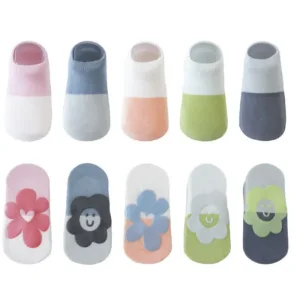
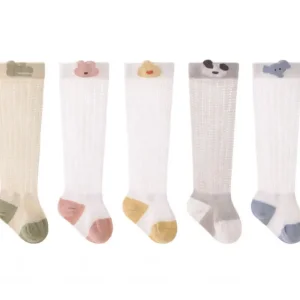
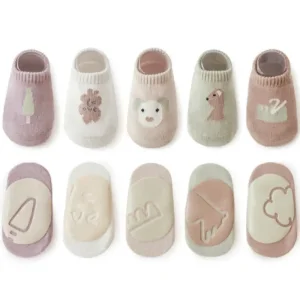
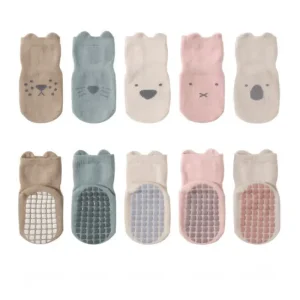
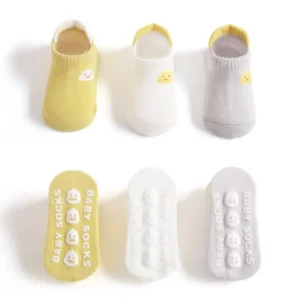
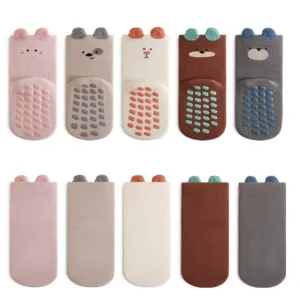
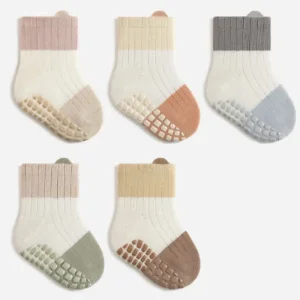
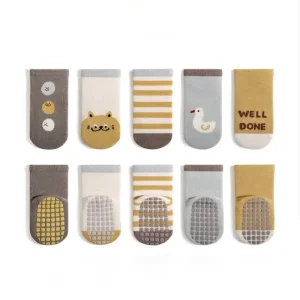
Functional Grip & High-Elasticity Production Lines
Engineered for specialty categories including trampoline safety centers, clinical patient care, indoor athletic agility, and specialized infant hosiery.
Technological Roadmap: The Next Frontier in Men's Ankle Socks
Anticipating next-generation biometric sensory knits, waterless yarn coloring, and ultra-high-speed circular manufacturing.
Smart Sensory & Biometric Conductive Fibers
By blending microscopic silver-plated conductive nylon filaments into specific plantar strike zones, upcoming ankle sock lines can seamlessly interface with external wearable tech. This allows real-time pronation tracking, step cadence monitoring, and biometric heat mapping without adding stiff electronic components.
Supercritical CO₂ Waterless Dyeing Systems
Traditional wet dyeing generates heavy wastewater volumes. Our R&D roadmap includes adopting supercritical carbon dioxide fluid dyeing technology. This breakthrough infuses disperse dye pigments into synthetic yarns with zero wastewater discharge and a 50% drop in energy consumption.
Direct-to-Loop AI Knitting Quality Scanners
Integrating high-speed micro-cameras directly on the cylinder head enables real-time AI optical inspection of each loop as it is knitted. Any misweave, snapped filament, or oil contamination triggers instantaneous needle adjustments, driving factory waste below 0.1%.