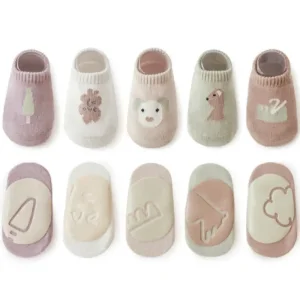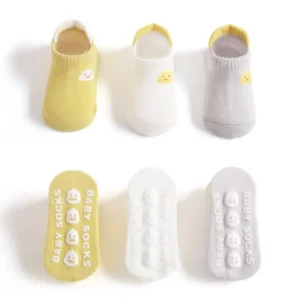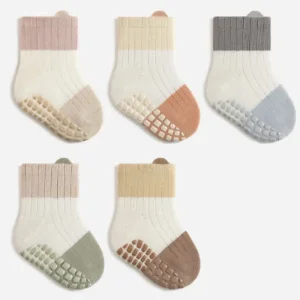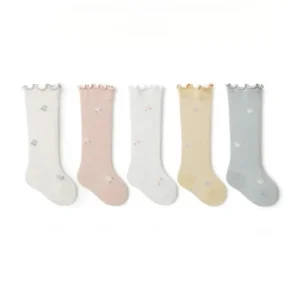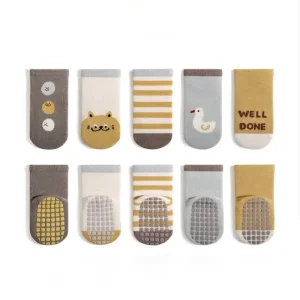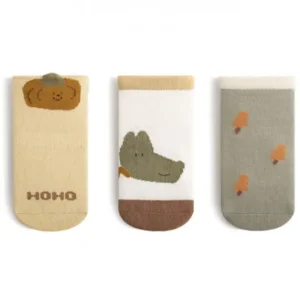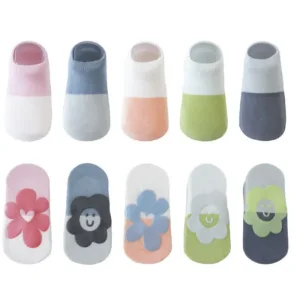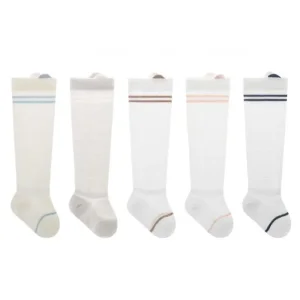
High-Velocity Wholesale Infant & Baby Crew Sock Profiles
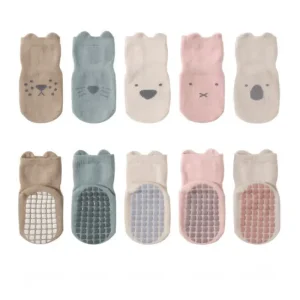
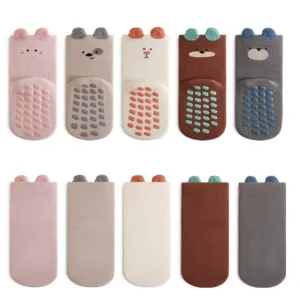
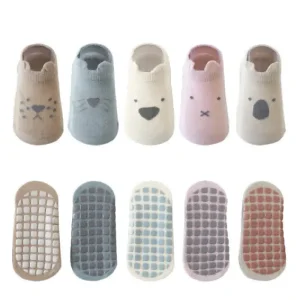
Engineered with non-slip silicone traction geometries, OEKO-TEX combed cotton, and anti-twist anatomical cuffs for global distributor lines.
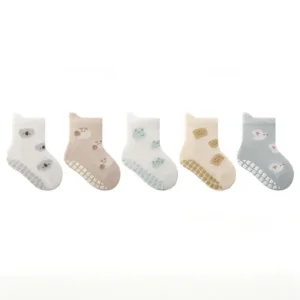
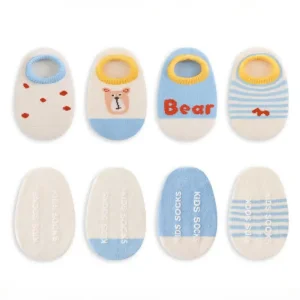
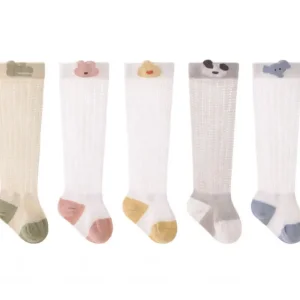
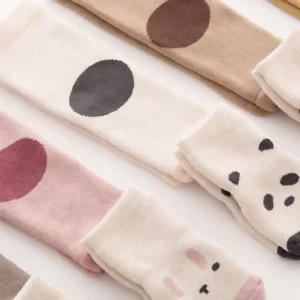
The Strategic Macro Landscape of Crew White Socks
The global white crew sock market represents far more than an apparel commodity; it is a foundational anchor in the international retail and institutional supply chain. Valued at over $14.8 billion globally with a projected CAGR of 6.2% through 2032, the demand for clean, white mid-calf hosiery spans across youth athletic leagues, premium streetwear labels, healthcare fall-prevention sectors, and mass e-commerce platforms.
Unlike seasonal fashion merchandise characterized by volatile style churn, white crew socks exhibit exceptionally consistent SKU replenishment velocity. Retail brands leverage this staple item to drive baseline inventory turnover, while commercial operations—ranging from indoor trampoline parks and physical therapy clinics to hotel amenity supply chains—rely on dependable wholesale delivery schedules. Understanding the engineering tolerances of yarn count, optical whiteness standards, and elastic recovery parameters allows international procurement teams to mitigate margin compression and minimize post-purchase consumer returns.
Procurement Intelligence Summary
Contemporary supply chain auditing places optical white hosiery under rigorous spectrocolorimetric inspection. Buyers must monitor CIE Whiteness Index (W > 130), chlorine resistance, elastomeric core integrity (spandex degradation rates), and abrasion limits exceeding 25,000 Martindale cycles to maintain brand authority across multi-channel retail shelves.
Chinese Factory Efficiency & Automated Knitting Precision
Why Tier-1 Chinese hosiery infrastructure outperforms fragmented regional operations in consistency, lead times, and cost-per-pair metrics.
Computerized Circular Knitting
Utilizing next-generation Lonati and computerized single- and double-cylinder knitting machines ranging from 96N (chunky vintage streetwear socks) to 144N, 168N, and 200N (high-density fine-gauge). Computerized tension regulators ensure exact rib compression (15-20 mmHg) without calf slippage.
Yarn Spinning & Raw Stock Clout
Direct integration with regional ring-spinning cotton hubs ensures access to 32S/2 and 40S/2 combed long-staple cotton. By controlling upstream yarn spinning and high-whiteness batch dyeing, Chinese industrial plants eradicate batch-to-batch color deviations and pilling issues.
Seamless Automated Toe-Linking
Transitioning away from abrasive traditional Rosso seam overlocks, modern automated lines deploy optical-sensor hand-linking units. This produces an undetectable, zero-friction flat seam over the metatarsal area—essential for athletic comfort and non-irritating infant wear.
Food-Grade Silicone Dispensing
Fully automated screen and stencil silicone dispensing stations apply liquid PVC or eco-friendly food-grade silicone arrays directly onto sock soles. Infrared curing tunnels secure bonding strength that withstands >50 industrial thermal wash and dry cycles without peel-off.
In-Line Spectrophotometric QC
Advanced computerized optical sorting units scan for dropped stitches, thread run-outs, and oil contamination during the knitting and boarding phases. This prevents sub-standard garments from entering packaging lines, slashing scrap rates below 0.3%.
Export Port & Freight Synergy
Streamlined logistics pipelines linking factory floors with deep-water container terminals (Ningbo, Shanghai, Shenzhen) enable rapid container packing, automated customs EDI clearance, and low-cost trans-oceanic freight fulfillment to European and North American DCs.
Engineering Specifications & Yarn Construction Profiles
A rigorous benchmark for procurement officers: mapping technical attributes across industrial use categories.
| Profile Specification | Needle Count (Gauge) | Primary Yarn Composition | Elastic & Reinforcement | Target Friction & Durability | Typical B2B Applications |
|---|---|---|---|---|---|
| Heavyweight Athletic Crew | 144N – 168N (Terry loop sole) | 80% Combed Ring-Spun Cotton, 17% Nylon | 3% Lycra Spandex with arch compression band | >30,000 Martindale cycles; high impact absorption | Basketball leagues, gym training lines, collegiate athletics |
| Classic Retro Streetwear Crew | 96N – 132N (Coarse 3x1 Rib) | 85% Organic Cotton, 12% Polyester | 3% Spandex; extended stay-up double welt cuff | High color retention; pill resistance Grade 4 | D2C apparel brands, promotional streetwear drops |
| Pediatric / Infant Safety Crew | 144N (Ultra-fine soft knit) | 78% Long-staple Combed Cotton, 20% Poly | 2% Covered Spandex; non-binding comfort band | Food-grade silicone grip array (COF > 0.85) | Infant brands, toddler daycares, pediatric clinics |
| Commercial Trampoline / Aqua Park | 120N – 144N (Quick-dry blend) | 95% High-Tenacity Polyester / Polyamide | 5% Chlorine-resistant Elastane | Heavy-duty plastisol or silicone dotting | Trampoline arenas, indoor adventure play parks |
| Healthcare Fall-Prevention Crew | 108N – 144N (Double-sided grip) | 90% Synthetic Polyester, 8% Cotton | 2% Latex-free elastic band (diabetic-safe top) | Dual-sided non-slip traction for patient transfers | Hospitals, rehabilitation centers, nursing homes |
Localized Applications & Commercial Use Cases
Analyzing how different global end-markets configure the fundamental white crew sock for specialized performance.
Performance Athletic Field
Demands zoned cushioning beneath the calcaneus and metatarsal bones, paired with a ventilated micro-mesh instep. Compression arch wraps minimize longitudinal foot fatigue, while high-denier nylon reinforcements at the heel prevent rapid wear during high-friction cutting maneuvers.
Premium Streetwear Fashion
Relies on clean, vintage-inspired aesthetics: wide ribbing (3x1 or 2x1), heavyweight yarn construction (55-75g per pair), and pristine optical white shade integrity. Customizations include high-definition jacquard branding along the upper welt, chain-stitch embroidery, and custom paper header packaging.
Clinical & Hospital Supply
Safety and compliance prioritize latex-free synthetic yarns with non-restrictive welt structures for diabetic patient comfort. High-contrast color-coded slip treads designate patient risk tiers, adhering to international fall-prevention healthcare directives without inhibiting peripheral circulation.
Early Childhood & Toddler
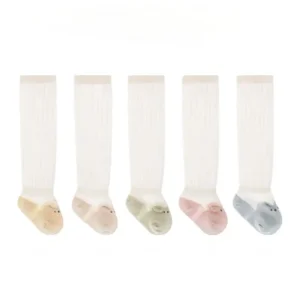
Infant crew socks require ultra-soft combed cotton free of toxic azo dyes and heavy metals. High-tack non-slip silicone traction covers the sole from toe to heel to provide steady floor grip during the early walking stages, paired with non-constricting elastic ankle welts.
Technological Innovations & Sustainable Production Trends
The convergence of material science, environmental regulations, and intelligent automation in white sock manufacturing.
Closed-Loop Recycled Polymers
Transitioning to GRS (Global Recycled Standard) certified rPET spun fibers combined with post-industrial regenerated cotton scraps. This lowers virgin cotton dependency, decreases industrial water usage by up to 60%, and satisfies stringent EU Ecodesign hosiery mandates without sacrificing optical brightness.
Antimicrobial Silver-Ion Infusion
Incorporating nano-silver particles into synthetic core yarns at the masterbatch extrusion level rather than through temporary surface chemical baths. This locks in 99.9% bacteriostatic efficacy against odor-producing bacteria (Staphylococcus aureus) through more than 50 industrial wash cycles.
Traceability & Social Auditing
Global brand compliance mandates comprehensive supply chain transparency. Full certification coverage under BSCI (Business Social Compliance Initiative), Sedex SMETA 4-pillar, and OEKO-TEX Standard 100 ensures social welfare standards, zero hazardous effluents, and verified origin documentation.
Enterprise Sourcing Strategy & Risk Mitigation
Operational frameworks to optimize unit costs, guarantee lead-time reliability, and prevent stock-outs during peak seasons.
Lead Time & Capacity Planning
Standard high-volume production schedules operate on 25-35 day turnarounds following PPS (Pre-Production Sample) approval. To counter Q3-Q4 seasonal freight peaks, savvy procurement managers structure staggered rollouts: air-freighting initial introductory units while routing bulk volume via direct sea ocean consolidation.
Packaging & Cube Optimization
Freight expenditures significantly affect landed unit economics. Transitioning from bulky individual PVC hanger cases to vacuum-compressed 3-pack or 6-pack poly-band bundles reduces master carton volumetric displacement by up to 38%, lowering ocean freight cost per pair.
Incoterms & Customs Navigation
Depending on distributor infrastructure, factory contracts flex between FOB (Port of Ningbo/Shanghai) and DDP (Delivered Duty Paid). Verified HS-code classification (HS 6115.95 for cotton hosiery) and certificates of origin avert customs inspection bottlenecks and customs demurrage penalties.
Frequently Asked Questions: B2B Sourcing & Engineering
Direct technical responses addressing needle gauge selection, shrinkage mitigation, and custom labeling requirements.
What is the practical difference between 144N and 200N needle counts for white crew socks?
Needle count dictates knit gauge and fabric density. 144N uses thicker yarn (such as 21S/1 or 32S/2), producing a substantial, classic sports-terry crew sock with rich cushioning and durability. 200N employs finer yarn (40S/1 or 50S/1), creating a dense, sleek, high-definition knit surface suited for luxury dress wear or detailed jacquard/print placement.
How do automated factories prevent dimensional shrinkage and color graying during repeat washes?
Shrinkage is controlled during the yarn combing and high-temperature boarding process. Pre-relaxed yarns paired with steam autoclave boarding at 125°C stabilize the stitch loops, keeping dimensional shrinkage below 3% (AATCC 135 standard). Optical brightening agents (OBAs) with high thermal stability prevent yellowing or dull graying across consumer wash cycles.
What minimum order quantities (MOQ) apply for fully customized white crew sock programs?
Standard production runs start at 1,000 to 1,200 pairs per design/colorway/size combination, which matches raw yarn dyeing kettle volumes. For plain white base socks with customized silicone grip patterns, woven labels, or direct-to-garment (DTG) 360° printing, flexible runs starting at 500 pairs per SKU can be accommodated.
Can you manufacture customized non-slip silicone traction patterns for specific commercial safety protocols?
Yes. Custom tooling molds can reproduce logos, traction hex-grids, or multi-durometer non-slip tread configurations. Formulations utilize 100% skin-safe, non-phthalate silicone compounds vulcanized under precise infrared curing ovens to guarantee permanent mechanical adhesion to both cotton and synthetic blends.
What social compliance and product safety certifications are available for auditing?
Our supply chains hold active Sedex SMETA and BSCI social compliance audit certifications. Finished socks meet OEKO-TEX Standard 100 (Class I for infant products), REACH regulation compliance, and CPSIA (Consumer Product Safety Improvement Act) standards for total lead and phthalate limits.
What custom branding and retail packaging options can be integrated directly at the factory?
Complete OEM packaging services are handled in-house: customized cardboard header cards, full-color wrap bands, woven cuff labels, heat-seal silicone transfer logos, FSC-certified hangtags with scannable EAN/UPC barcodes, anti-theft RFID micro-stickers, and master carton shipping markings tailored to your distribution center specs.
Precision Hosiery Catalogue: Toddler, Grip & Institutional Profiles
Explore our export-ready baby, infant, and specialized mid-tube grip socks built to international standards.