
Engineered Grip Socks: Certified Production Showcase
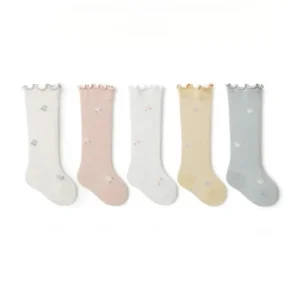
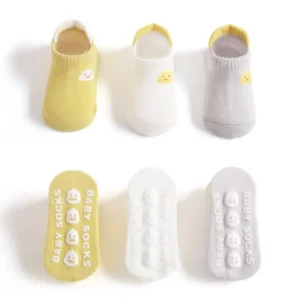
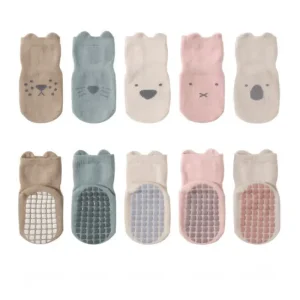
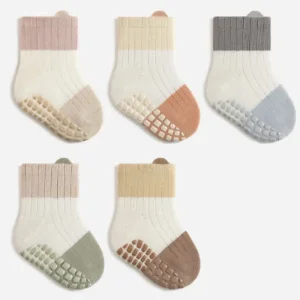
Explore our active line-up of precision non-slip hosiery, manufactured with combed ring-spun cotton, anatomical arch bands, and industrial-grade high-adhesion grip profiles.
The Paradigm Shift in Pilates Grip Socks: From Studio Prop to Kinetic Gear
The international Pilates and boutique fitness industry is experiencing an unprecedented structural evolution. The modest non-skid sock has transformed from a mandatory hygiene covering into an essential piece of technical athletic performance gear.
Dynamic Horizontal Shear Resistance
Traditional non-slip socks were designed for static hospital flooring, withstanding minimal lateral stress. In contrast, modern Reformer, Megaformer, and Cadillac exercises demand extreme multidirectional force transfer. High-performance Pilates grip socks must deliver a static coefficient of friction ($\mu_s > 0.85$) against polished wood, leatherette carriages, and powder-coated steel footbars without delaminating or twisting on the foot.
Proprioceptive Plantar Feedback
Modern instructors emphasize tactile feedback to stabilize the pelvic floor and neutral spine. Low-grade PVC dots create uncomfortable pressure spikes that distort natural plantar pressure distribution. Contemporary manufacturing prioritizes segmented liquid silicone rubber (LSR) patterns engineered to match the anatomical tripod of the human foot (calcaneus, first metatarsal head, and fifth metatarsal head) to enhance sensory-motor balance.
High-Margin Studio Retail Architecture
Global studio franchises like Club Pilates, Solidcore, and independent boutique studios generate up to 22% of their total EBITDA through branded apparel. Grip socks serve as the core impulse item due to mandatory studio hygiene policies. Custom private-label sock lines enable studios to turn a mandatory compliance product into a high-retention lifestyle branding asset boasting retail markups exceeding 68%.
Technical Sourcing Specifications: Yarn Selection, Grip Adhesion & Needle Counts
Industrial buyers and brand managers must specify performance variables accurately to eliminate high return rates, premature delamination, and foot roll. Below is an engineering breakdown of core sock architectures.
| Component | Commercial Grade Standard | Premium Boutique / Professional Studio Grade | Biomechanical Performance Value |
|---|---|---|---|
| Primary Fiber | Carded Open-End Cotton (21s/32s) | Long-Staple Combed Organic Cotton / Viscose from Bamboo Blend | Eliminates pilling; maximizes moisture absorption; ensures skin-safe hypoallergenics. |
| Elasticity Core | Conventional Rubber Elastic Thread | Spandex covered with High-Tenacity Polyamide 6.6 (Air-Covered Yarn) | Ensures 360-degree midfoot compression lock; stops twisting under torsional load. |
| Grip Composition | Solvent-Based Polyvinyl Chloride (PVC) Plastisol | High-Density Liquid Silicone Rubber (LSR) & Food-Grade Silicone | Phthalate-free; resists peeling past 50+ commercial 60°C wash cycles; odorless. |
| Knitting Needle Gauge | 108N - 144N Coarse Gauge | 168N - 200N High-Density Fine Computerized Single/Double Cylinder | Smoother finish; prevents skin abrasion during Reformer straps lunges and tendon stretches. |
| Toe Construction | Traditional Rosso Seam Closure | Automated Hand-Linked Seamless ("Rosso-Free") Toe Closure | Zero friction against toe knuckles; prevents blister formation during prolonged planks. |
| Silicone Shore A Hardness | 55 - 65 Shore A (Stiff & Brittle) | 35 - 45 Shore A (Soft Tactile Elastic Grip) | Optimal micro-grip compliance on high-gloss varnish and textured apparatus mats. |
The Cost of Low-Tier Polymer Selection
Procurement teams tempted by budget-grade PVC grip coatings frequently face fatal quality defects in retail operations. PVC relies on plasticizers that migrate when exposed to body heat, friction, and laundry detergents, causing the grip studs to crack, turn brittle, and detach within 3 to 5 washes. Furthermore, PVC leaves oily residue on carriage upholstery, causing irreversible damage to professional studio reformers. High-density platinum-cured liquid silicone rubber is mandatory for studio contracts.
Arch Architecure & Torsional Anti-Twist Bands
Unlike regular leisure socks, Pilates movements subject the foot to continuous rotational and shearing forces—such as side splits on the Reformer carriage. If the sock body lacks engineered elastic stability, the fabric rolls under the sole while the grips remain fixed, causing loss of balance and ankle inversion. We integrate multi-ribbed arch support bands with 40D/70D Lycra inlay that anchor the sock firmly against the plantar fascia.
China Factory 4.0: Modern Supply Chain Resilience & Production Scale
Operating from our vertically integrated, BSCI and Sedex-certified hosiery industrial campus spanning 42,000 m² in Sichuan, China, we combine automated precision machinery with agile contract production to serve tier-1 fitness brands globally.
Pairs Annual Capacity
Equipped with hundreds of computerized Lonati and domestic high-speed single/double cylinder knitting lines, we absorb mega-scale orders without lead-time degradation during peak retail cycles.
On-Time Fulfillment
Unbroken supply continuity since 2015. Our intelligent ERP platform tracks yarn dyeing, pneumatic silicone drop-molding, boarding, and export packaging with real-time milestone monitoring.
In-House Tooling & R&D
Laser-etched silicone mold fabrication and CAD sock pattern sampling completed within 48 to 72 hours, drastically shrinking new collection prototyping cycles for global product teams.
Countries Exported
Compliant with international regulatory frameworks including US CPSIA, California Prop 65, EU REACH (SVHC-free), and OEKO-TEX Standard 100 for safe skin contact and zero toxicity.
Automated Screen & Rotary Silicone Deposition
Our facility runs continuous automated liquid silicone screen-printing and rotational vulcanizing lines. Heating tunnels ensure complete molecular cross-linking of polymers, guaranteeing tensile grip recovery and peel-strength values exceeding 25 N/cm.
Multi-Stage Defect Gatekeepers
Quality control operates under strict AQL 1.5 / 2.5 standards: incoming raw yarn tensile testing, in-line tension monitoring during knitting, manual toe-link visual checks, silicone peel shear tests, and automated metal detection before export packing.
Turnkey Retail Packaging Customization
We deliver shelf-ready finished goods: custom embossed header cards, FSC-certified kraft paper bands, branded woven labels, anti-theft barcode stickers, and biodegradable polybags designed for direct placement into e-commerce fulfillment hubs or studio retail racks.
Application Scenarios: Customizing by Studio Discipline & Use-Case
One size does not fit all. Different low-impact fitness disciplines enforce varied physical demands on grip coverage, cut profile, breathability, and toe mobility.
Reformer & Classical Pilates
- Low-cut ankle or quarter-crew profile
- Dense heel-and-ball silicone coverage
- Breathable instep mesh ventilation
- Closed-toe cushioning for strap comfort
Ideal for multi-reformer franchise environments where hygiene, ease of slip-on, and steady footbar anchoring prevent muscle compensation during carriage pushes.
Lagree Fitness & Megaformer
- Full-foot wrap-around side grips
- High-tension arch support compression
- Dual-layered reinforced toe cap
- Sweat-wicking CoolMax/Poly yarn mix
With intense, slow-twitch muscle burnout, high sweat volume, and lateral lunges on moving platforms, maximum high-tack silicone grip is paramount to prevent sudden slippage.
Barre, Mat & Hybrid Dance Work
- Open-toe / Five-toe separated design
- Elastic criss-cross ballet instep straps
- Low-profile minimal silicone beads
- Silky combed cotton hand-feel
Provides complete phalangeal spreading for releve, arabesques, and balance work, maintaining barefoot sensation while protecting against hardwood floor splinters.
Clinical Rehabilitation & Senior Wellness
- Non-binding, loose-top circulatory cuff
- Double-sided / Reversible grip options
- Plush terry interior cushioning
- High-contrast fall-prevention colors
Engineered for clinical Pilates and physical therapy settings where patients require swelling-free circulation support and dependable traction during gait retraining.
Frequently Asked Technical & Sourcing Questions
Actionable answers to help commercial buyers, apparel sourcers, and studio owners evaluate OEM/ODM contract production with clarity and precision.
What is the difference between PVC dots and Liquid Silicone Rubber (LSR) grips?
What Minimum Order Quantities (MOQs) do you require for custom-branded Pilates grip socks?
How do you ensure the non-slip silicone pattern does not peel off during high-temperature washing?
Can you knit custom silicone grip logos, patterns, and sizing identifiers onto the sole?
What certifications does the MiFo manufacturing campus hold for export compliance?
What needle count (cylinder density) should we select for our Pilates sock line?
What is the lead time from design proof approval to bulk seaport dispatch?
Do you offer specialized packaging options for retail display and e-commerce distribution?
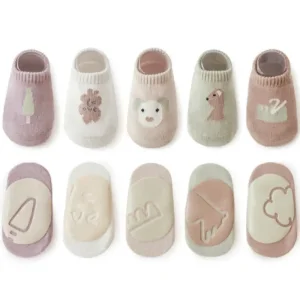
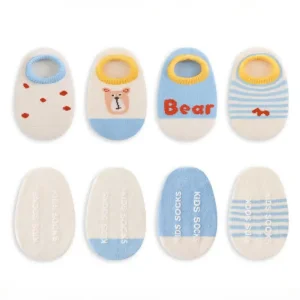
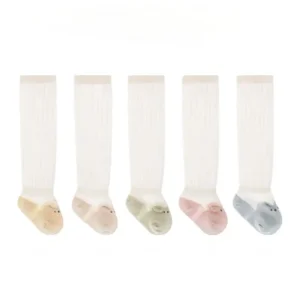
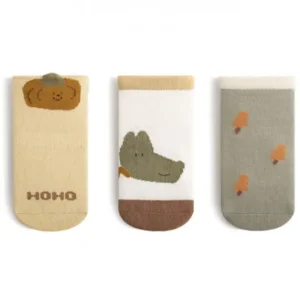
Specialty Anti-Slip & Gripped Sock Series
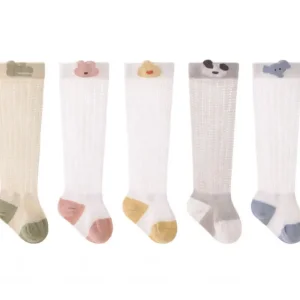
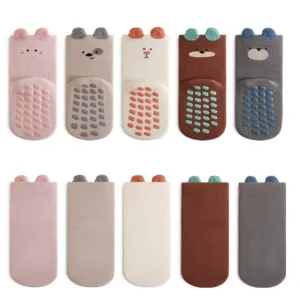
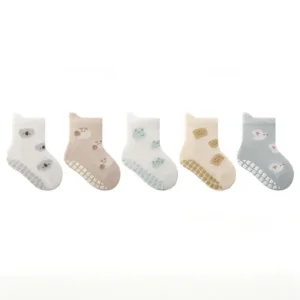
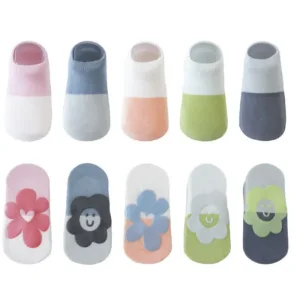
From floor grip ankle socks to soft-combed cotton high tubes, review our complementary OEM/ODM hosiery lines ready for custom private labeling and global export.
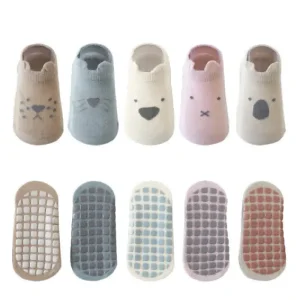
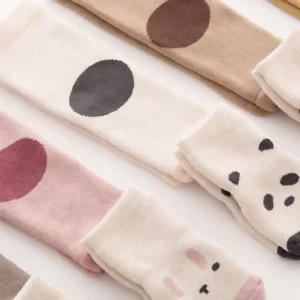
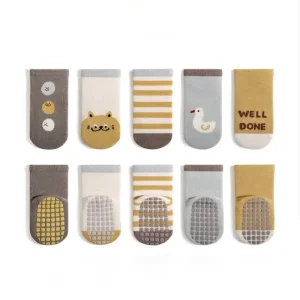
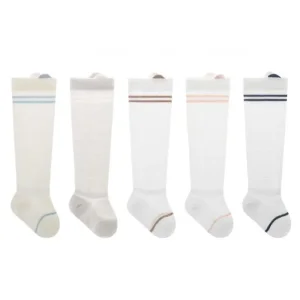
A Sourcing Director's Blueprint: Eliminating Risk in Grip Sock Supply Chains
In the premium fitness and athleisure markets, athletic accessories must satisfy stringent structural criteria. When global brands transition from stocking generic, white-label imports to commissioning custom-engineered grip socks, procurement teams frequently encounter common manufacturing pitfalls: high pilling rates after three studio workouts, silicone adhesive detachment on hot dryer cycles, elastic band fatigue causing slippage, and inconsistent yarn dye lot matching. Resolving these challenges requires deep technical collaboration with an audited, vertically integrated hosiery manufacturer.
1. The Mechanics of Fiber Blend Optimization
While marketing collateral often celebrates "100% Cotton" as a benchmark of luxury, pure unblended cotton is fundamentally unsuitable for high-friction Pilates grip hosiery. Pure cotton lacks tensile elasticity, absorbs sweat without drying rapidly, and stretches permanently under lateral Reformer shear strain, causing the sock to sag and the silicone dots to slide out from under the plantar surface.
The industry benchmark for professional studio grip socks is a composite core-spun yarn architecture:
- 75% to 80% Long-Staple Combed Cotton (32s/2 or 40s/2): Provides breathable, soft, hypoallergenic moisture management and a premium tactile hand-feel that commands high retail prices.
- 18% Polyamide (Nylon 6.6): Reinforced heavily throughout the high-friction heel pocket and toe box to prevent abrasion and extend sock lifespan beyond 100 intense studio hours.
- 2% to 5% Spandex (Lycra® covered with multifilament yarn): Inlaid along the circular knit to maintain uniform longitudinal compression, preventing twisting, bunching, and slippage during complex balancing maneuvers.
2. Biomechanical Traction: Strategic Silicone Density Mapping
Traditional non-skid socks cover the entire foot bottom with a generic grid of small dots. While simple to produce, this layout fails to address the anatomical realities of Pilates reformer work. When an athlete performs a carriage push, maximum pressure concentrates along the ball of the foot and first metatarsal head. During bridging and planks, weight shifts backward to the calcaneus.
Our OEM engineering team works with brand partners to deploy multi-zoned silicone mapping. Thicker, high-tack silicone clusters are applied to the primary anchor points, while the foot arch features micro-perforated or low-profile grip shapes that flex naturally with plantar contraction. This dynamic distribution eliminates hot spots, prevents blister formation, and reduces overall sock weight while maximizing kinetic grip retention.
3. Navigating International Chemical Safety & Laboratory Audits
Socks with grips sit directly against the skin for hours of intensive, sweat-inducing athletic activity. Under warm, moist conditions, skin pores open, vastly increasing the transdermal absorption rate of hazardous chemical residues. European and North American customs authorities enforce rigorous border inspections targeting phthalates, azo dyes, dimethyl fumarate (DMF), and polycyclic aromatic hydrocarbons (PAHs).
At our Sichuan industrial manufacturing site, all grip socks are manufactured in strict compliance with:
- OEKO-TEX® Standard 100 (Class I & II): Guaranteeing zero presence of carcinogenic amines, heavy metals, or skin-sensitizing finishing chemicals.
- REACH Annex XVII: Ensuring that liquid silicone formulations are completely free of D4, D5, and D6 siloxanes and toxic plasticizers.
- US CPSIA & California Proposition 65: Ensuring lead and phthalate levels fall well below the legal limits of 100 ppm, protecting brand reputation against legal liability.
4. Scalable Supply Chain Agility: Overcoming Seasonal Spikes
Pilates studios and athletic retailers experience drastic demand surges during Q1 ("New Year, New You" fitness resolutions) and Q4 (holiday gift sets and studio retail bundles). Working with small-scale trading firms often leads to critical stock-outs, unexpected lead-time extensions, and compromised quality. MiFo's automated knitting floor, operating 24/7 with centralized yarn inventories and automated board-setting machines, provides enterprise partners with guaranteed seasonal allocations, buffer stock warehousing, and priority production lanes.
Initiate Your Custom Pilates Grip Sock Project Today
Connect directly with our engineering and export team in Sichuan, China. Request complete technical swatches, digital CAD sock mockups, or custom silicone tooling within 48 hours.