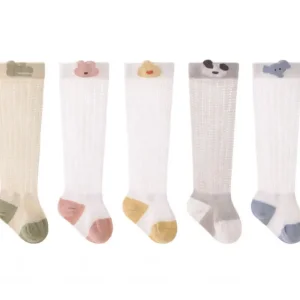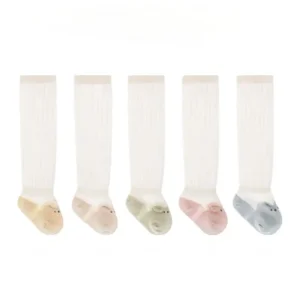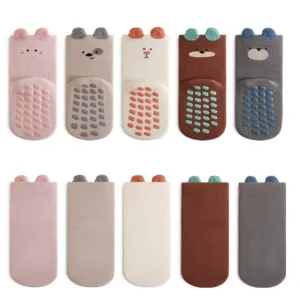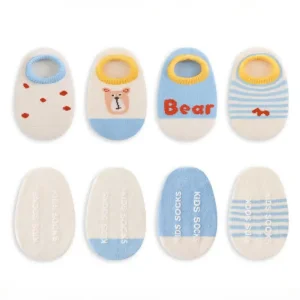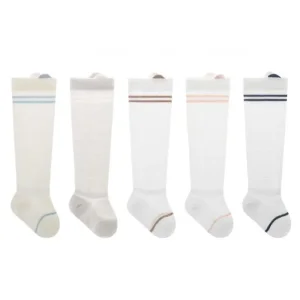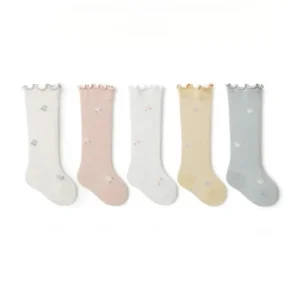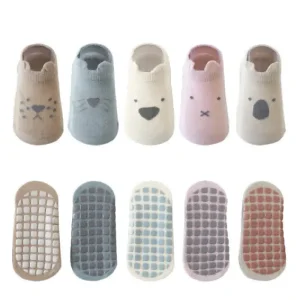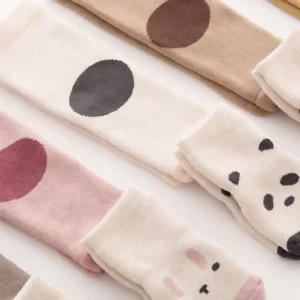
Engineered Knits for Specialty Footwear & Daily Protection
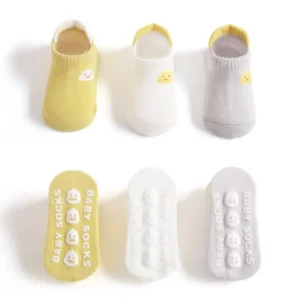
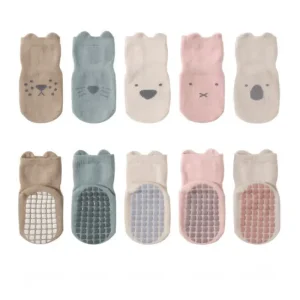
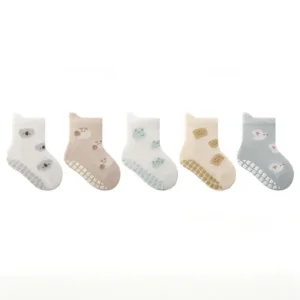
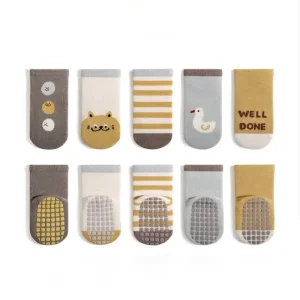
Explore our top-tier functional product lines produced on computerized circular cylinders with high-density cushioning and anatomical fit profiles.
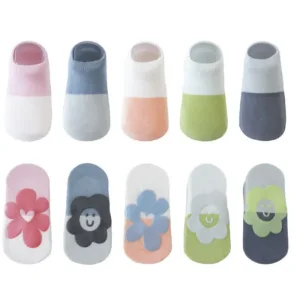
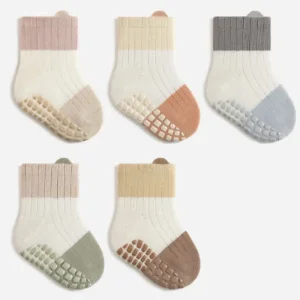
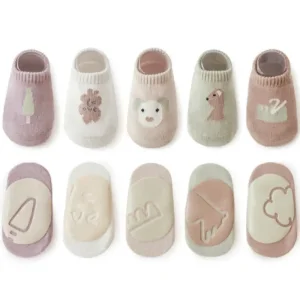
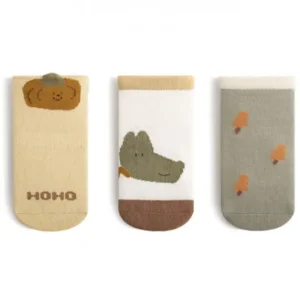
Global Trekking Hosiery Landscape & Supply Chain Resilience
Modern alpine sports and technical endurance trekking have evolved beyond standard retail wool socks into complex biomechanical micro-climates. Today’s industrial clients require precise thermodynamic modulation, blister mitigation, and zero defect rates.
Thermodynamic Microclimate Control
Trekking environments oscillate between high metabolic sweat production during ascent and cryogenic thermal loss during descent. Our automated knitting infrastructure couples Australian merino wool with hollow-core thermal polyester, establishing targeted convective heat barriers.
Friction Dissipation & Shear Defense
Foot blister formation stems from mechanical kinetic shear inside heavy mountain boots. By deploying high-tensile Cordura and micro-denier polyamides in key heel-cup zones, our trekking socks reduce sliding friction coefficients below 0.28 µ.
Smart Compression & Venous Return
Long-distance elevation gain precipitates peripheral foot fatigue. We integrate graduated medical-grade elastication (15–20 mmHg) running from mid-foot arches through upper calf ribs to optimize lymphatic drainage during technical scrambles.
Over a decade of advanced precision knitting R&D and cross-border trade.
Vertically integrated campus housing computer circular looms and quality labs.
High-volume automated capacity ensuring consistent multi-seasonal supply.
Preferred manufacturing vendor for global retail chains and mountain guides.
Comprehensive Trekking Sock Manufacturing Matrix
Engineered yarn architectures developed for multi-condition trail resilience, high-altitude mountaineering, and commercial outdoor private labels.
| Target Application | Needle Count & Construction | Yarn Density & Fiber Blend | Performance Key Metric | Primary Industrial Buyer |
|---|---|---|---|---|
| Ultralight Thru-Hiking | 168N – 200N Fine Gauge Single Cylinder | 52% Merino Wool, 40% Nylon 6.6, 8% Lycra | Ultra-rapid drying (<120 min), vapor diffusion | Trail-running & ultralight outdoor brands |
| Multi-Day Backpacking | 144N Terry Loop Dual Density Sole | 65% 19.5µ Merino, 25% Polyester, 10% Spandex | Dynamic plantar shock absorption (6.5mm terry) | Expedition equipment labels & sporting co-ops |
| Alpine & Winter Mountaineering | 120N Heavy Gauge Full-Cushion Double Rib | 78% Fine Merino Wool, 18% Polyamide, 4% Elastane | Sub-zero R-value thermal retention, zero frostbite zones | High-altitude mountain guiding companies |
| All-Terrain Tactical & Bushcraft | 144N Cordura Hybrid Reinforced Sole & Toe | 45% Combed Cotton, 35% Cordura Nylon, 20% Spandex | Martindale abrasion test > 100,000 cycles | Government contracts & tactical supply chains |
Ethical Sourcing & Strict Regulatory Compliance
Operating under BSCI and Sedex SMETA 4-Pillar audits, our Sichuan manufacturing base adheres strictly to international ethical, social, and mechanical benchmarks.
OEKO-TEX Standard 100 Class I
All raw fibers, non-slip silicone compounds, and acid dyes are laboratory tested against 1,000+ restricted toxic chemical agents. Safe for sensitive skin contact, certified for toddler and infant product lines.
Global Recycled Standard (GRS)
We provide full traceability for post-consumer recycled nylon, eco-friendly organic cotton yarns, and rPET blends, empowering modern brands to achieve verifiable Scope 3 carbon reduction metrics.
Rigorous Batch Testing Protocol
Each bulk production run undergoes tensile elasticity return checks, colourfastness wash trials (AATCC 61-2A), and automated needle-detection scanning to guarantee 99.4% on-time, zero-defect delivery.
Five Controlled Steps from Concept to Cargo
An agile, zero-gap manufacturing sequence engineered to turn custom textile CAD designs into containerized, retail-ready hosiery shipments.
Phase 1: Digital Stitch Mapping
We take client vector artworks or tech packs and generate pixel-accurate jacquard blueprints, defining zonal elastic pressures and compression boundaries down to single needle counts.
Phase 2: Yarn Formulation & Dyeing
Raw spinning lots are matched for micron fineness, moisture wicking, and Pantone shade accuracy. Anti-microbial silver-ion or zinc-pyrithione chemistry is introduced directly into core filament matrixes.
Phase 3: Automated Precision Knitting
Utilizing computerized longevity machinery (Lonati & Santoni equivalents), socks are circular knitted with seamless Rosso or hand-linked toes, eliminating internal ridges that cause chafing.
Phase 4: Functional Finishing & Grips
Screened silicone grip applications are thermal-cured for specialized non-slip requirements, followed by steam boarding to set precise volumetric sizing and ergonomic calf shaping.
Phase 5: Retail Packaging & Freight
Custom FSC recycled header cards, anti-tamper hook tags, barcoded master cartons, and direct FOB/DDP export arrangements are coordinated seamlessly across global hubs.
Technical Roadmap & Next-Generation Hosiery Systems
Strategic investments driving our 2026–2030 manufacturing evolution, integrating connected wearable electronics, bio-synthetics, and closed-loop textile recovery.
Conductive Yarn & Heat Zones
Piloting ultra-thin silver micro-filaments connected to low-profile 3.7V power units, allowing mountaineering trekking socks to deliver 8 hours of regulated 42°C toe box heat in extreme Arctic expeditions.
Bio-Synthetic Spider Silk Analogs
Transitioning away from petroleum nylon to lab-cultivated protein polymers that provide 3x the tensile tear strength of Cordura while maintaining 100% soil biodegradability within outdoor environments.
AI Vision Quality Inspection
Deploying 4K automated neural vision inspection stations at post-knitting take-down to identify needle drop faults, irregular yarn tension, and skipped loops in real time, targeting sub-0.01% defects.
Frequently Asked Questions on Trekking Sock Sourcing
Clear, authoritative technical answers to assist global buyers, apparel sourcing directors, and category managers in vendor evaluation.
What is the standard Minimum Order Quantity (MOQ) for custom technical socks?
Our standard production baseline begins at 1,200 to 2,000 pairs per design/colorway depending on yarn complexity (e.g. customized merino yarn spin versus standard inventory combed cotton). Sample prototyping programs can be initiated with smaller trial batches upon engineering review.
Can you manufacture certified blister-proof double-layer hiking socks?
Yes. We specialize in dual-layer circular knitting configurations where an ultra-smooth inner Coolmax/hydrophobic microfilament sock is knitted synchronously with an outer durable merino wool shell, ensuring that mechanical boot friction is fully dissipated between sock layers.
How does your factory verify ethical compliance and supply chain transparency?
Sichuan MiFo Technology Co., Ltd. undergoes annual third-party audits under BSCI and Sedex SMETA. We provide verified documentation covering fair labor conditions, zero child labor, wastewater chemical compliance, and safe manufacturing conditions for regulated retail markets.
What is the typical sampling and bulk manufacturing turnaround schedule?
Physical pre-production prototypes are knitted, finished, and dispatched within 7–10 business days following tech pack approval. Bulk order completion averages 25 to 35 calendar days from final sample sign-off, supported by our 200M+ pair annual operational capacity.
Do you provide turn-key retail packaging and logistics management?
Yes. We deliver full custom OEM packaging including FSC-certified cardstock sleeves, embossed branded hangtags, biodegradable polybags, barcoded master cartons, and end-to-end logistics coordination via sea, air, or rail across North America, Europe, Asia, and Oceania.
Specialized Hosiery & Protective Footwear Solutions
Explore further high-grade infant, sports, and casual performance lines manufactured with strict environmental hygiene and structural integrity.