Standard Pediatric & Infant Clinical Solutions
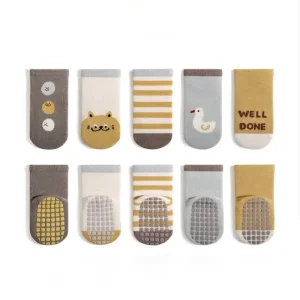
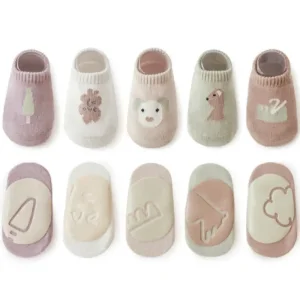
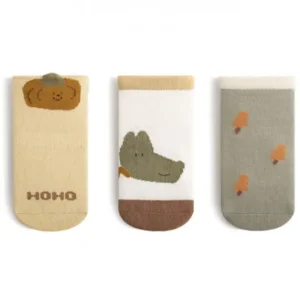
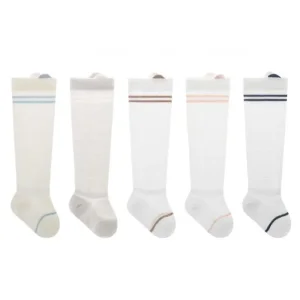
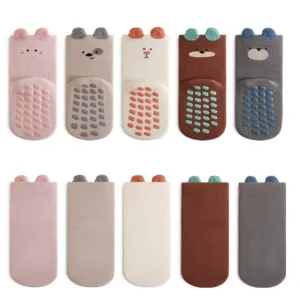
Explore initial certified infant formulations, engineered with non-slip micro-tread arrays, bio-compatible combed cotton, and pressure-equalized non-constrictive cuffs.
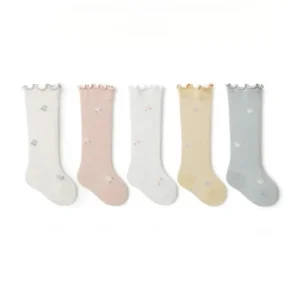
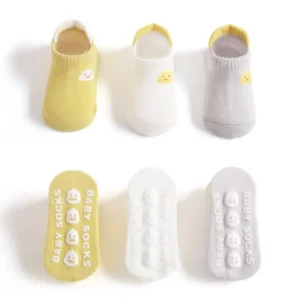
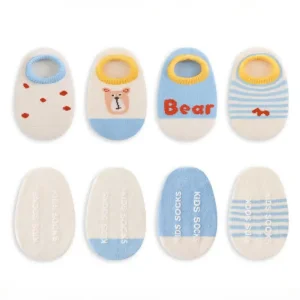
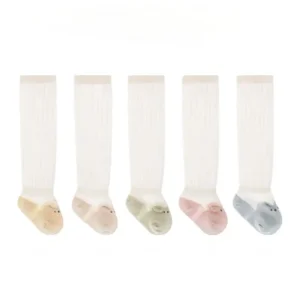
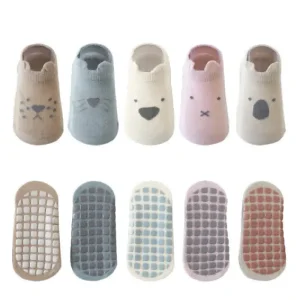
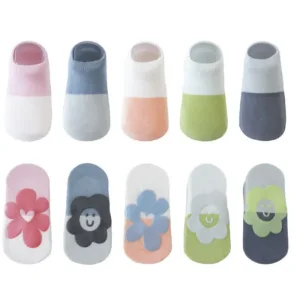
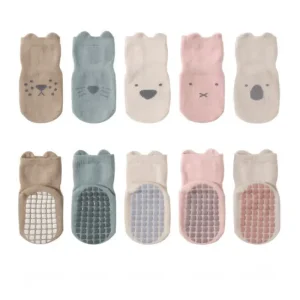
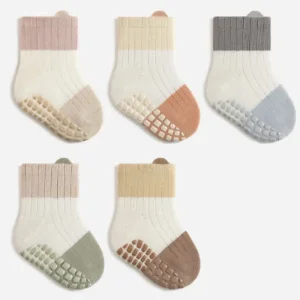
Why Sourcing from an Advanced Chinese Infant Socks Factory Delivers Unmatched Leverage
The manufacturing landscape for neonatal textiles demands uncompromising bio-safety thresholds, surgical-level clean rooms, and structural consistency.
Sourcing neonatal clinical hosiery is fundamentally different from standard consumer hosiery. An infant hospital socks factory must adhere to exacting international criteria covering dermal non-toxicity, hypothermia mitigation in post-natal wards, and hyper-precise elasticity balance to eliminate ischemic tourniquet hazards. In modern smart factories in China—exemplified by Sichuan MiFo Technology Co., Ltd. operating from its 42,000 m² advanced hub—hosiery production combines intelligent automation with rigorous quality assurance.
Chinese production benefits from vertical integration across spun organic cotton sourcing, computerized 144N/168N biomedical cylinder knitting, proprietary liquid silicone grip compounding, and sterile barrier packaging. This eliminates third-party subcontractors, enforces end-to-end traceability, minimizes defects, and keeps costs optimized for high-volume healthcare tenders.
Vertical Supply Ecosystem
Direct integration from raw OEKO-TEX standard cotton cultivation to robotic linking lines guarantees uniform yarn tension, zero structural contaminants, and unmatched batch-to-batch consistency.
Audited Compliance Architecture
Full adherence to BSCI and Sedex protocols paired with FDA Class I medical apparel registrations ensures friction-free customs clearance and swift adoption by institutional hospital procurement desks.
Scale-Driven Rapid Prototyping
With an annual output surpassing 200 million pairs, computerized automated knitting lines execute customized pediatric heel geometry, double-sided anti-slip treads, and sample turnarounds in under 72 hours.
Emerging Technological Trends in Pediatric & Neonatal Footwear
The convergence of clinical patient ergonomics, antimicrobial biotechnology, and sustainable synthetic polymer chemistry is redefining neonatal hospital wear.
Biocompatible Non-Toxic Polymers
Transition from conventional PVC plastisols to medical-grade platinum-cured liquid silicone (LSR) eliminates phthalates, BPA, and VOCs, preventing dermal sensitization in immunocompromised infants.
Smart Sensory & Fall Risk Coding
Hospitals are utilizing color-coded slipper formats (Yellow for fall risk, Red for allergy/vital check) paired with RFID/NFC chips or conductive fibers for continuous infant vitals and temperature monitoring.
Zero-Waste Seamless Circular Knitting
Advanced high-gauge Italian and Japanese machines minimize loose toe seam yarns (eliminating toe-tourniquet hazards) while producing near-zero textile waste across massive manufacturing runs.
Thermal Regulation Engineering
Phase-change materials (PCM) and combed organic cotton structures balance moisture vapor dissipation with critical infant foot warmth, avoiding core body temperature drops in NICU incubators.
Localized Applications & Point-of-Care Functional Utility
Infant medical hosiery serves distinct purposes across clinical environments, each requiring tailored structural and grip properties.
NICU & Pre-Term Thermal Stasis
Premature infants lose heat through their extremities rapidly. Hypoallergenic, non-binding ankle socks knit without restrictive elastic threads provide vital thermal protection without compromising peripheral circulation or skin integrity.
Pediatric Ward Early Ambulation
For toddlers recovering from surgery, high-friction 360° silicone grip matrices prevent slips on polished antimicrobial hospital tiles, giving young patients stable traction during supervised physical therapy.
Diagnostic & Surgical Transit Triage
Standardized color-coded ankle designs visually signal fall risk and specific patient alerts to hospital staff, maintaining clear diagnostic identification throughout imaging, surgery, and transfer.
Macro Supply Framework: Mitigating Institutional Vulnerabilities
Large-scale health groups, NGOs, and medical supply distributors require supply partners capable of handling strict institutional compliance and massive continuous demand.
Centralized Bulk Contract Manufacturing
By operating high-volume automated lines under ISO-certified quality controls, we ensure consistent tensile strength, uniform grip distribution, and identical dye lots across multi-million-pair deliveries.
Tier-1 Hospital Private Labeling
We provide full customization for packaging, barcoding, clean-room ethylene oxide (EtO) sterilization, and facility logos, meeting the operational requirements of tier-1 medical networks.
Resilient Buffer Stock & Ocean Logistics
Strategically positioned near major Chinese shipping ports with extensive internal warehousing, we provide buffer inventory and flexible FOB/CIF logistics to protect against global supply disruptions.
Frequently Asked Questions on Infant Hospital Socks Manufacturing
Key technical, safety, and supply chain insights for healthcare sourcing directors and B2B buyers.
What prevents infant hospital socks from causing toe tourniquet syndrome?
Our manufacturing utilizes state-of-the-art flat-knit seamless toe linking (Rosso or automated hand-linking simulation). This eliminates interior loose loop threads, removing the risk of stray fibers wrapping around delicate infant toes.
Are the silicone treads on neonatal socks certified safe against mouthing?
Yes. All anti-slip grip profiles use 100% medical-grade, food-contact compliant liquid silicone rubber (LSR). Treads undergo vulcanization curing to guarantee zero chemical migration, BPA non-detection, and phthalate-free safety compliant with CPSIA, REACH, and FDA standards.
Can you accommodate double-sided grip printing for rolling infants?
Yes. Our double-sided grip printing applies non-slip treads on both the top and bottom of the sock. If the sock twists during infant movement or restless sleep, traction is always available to prevent slips during early standing attempts.
How do you guarantee elastic bands do not restrict infant circulation?
We use relaxed-tension Lycra elastane knit in specialized rib structures rather than exposed tight rubber bands. This spreads grip tension evenly across the lower calf, keeping socks securely in place without leaving pressure marks or restricting venous blood flow.
What is the standard production turnaround for multi-ton medical orders?
Standard lead times for custom institutional runs range from 20 to 35 days depending on yarn dyeing and packaging needs. Rapid sampling takes 3 to 7 working days, supported by our 200M+ pair annual production capacity.
What social and quality compliance audits are available for review?
Our operations are audited under BSCI and Sedex SMETA frameworks, ensuring fair labor, ethical sourcing, and environmental standards. Complete audit documentation is provided directly to procurement directors upon project initiation.
High-Grade Hospital & Toddler Grip Series
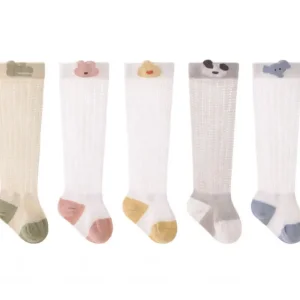
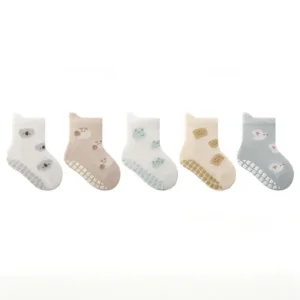
Review our specialized anti-slip floor models, pediatric daily styles, and breathable baby socks engineered for healthcare distributors and retail lines.