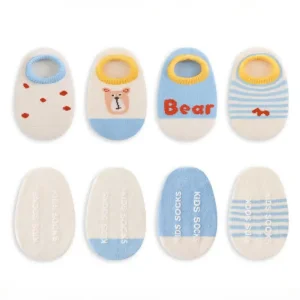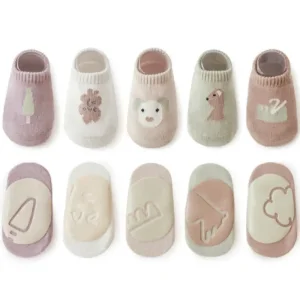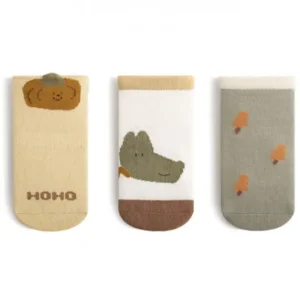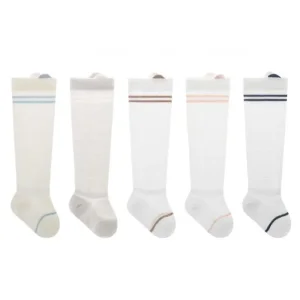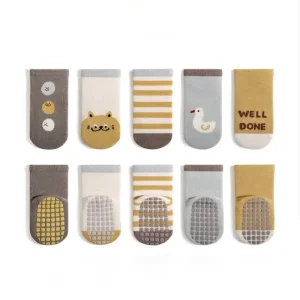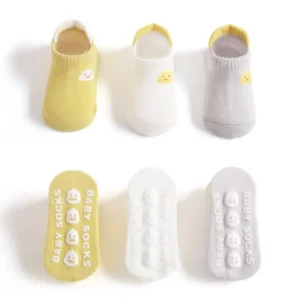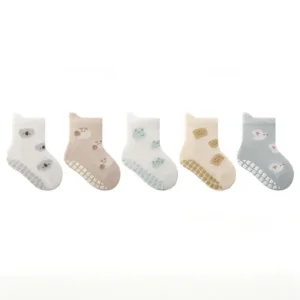
Precision Hosiery Showcase
Explore precision-knitted specialized socks engineered under strict industrial manufacturing protocols.
The Hemodynamic Science of DVT Compression Therapy
Deep Venous Thrombosis (DVT) and secondary Pulmonary Embolism (PE) represent critical global health challenges. As an authoritative medical hosiery manufacturer, we dissect the clinical physics behind graduated compression profiles.
Laplace’s Law Formulation
Venous return mechanics rely on the mathematical relationship P = (2 × T × π) / R. To produce genuine graduated compression, our circular knitting machines dynamically control elastic yarn tension (T) relative to limb radius (R), ensuring a continuous, non-constricting pressure gradient from distal to proximal zones.
Virchow's Triad Mitigation
DVT prophylaxis targets the three components of Virchow's Triad: stasis of blood flow, endothelial injury, and hypercoagulability. By reducing the cross-sectional area of deep veins, our graduated pressure sleeves accelerate blood velocity in the popliteal and femoral veins, suppressing venous pooling and pocket stasis behind valve cusps.
Clinical Pressure Classification
We manufacture precisely calibrated compression levels matching international standards: Class I (15–20 mmHg) for travel prophylaxis and mild edema, Class II (20–30 mmHg) for clinical post-thrombotic syndrome and surgical recovery, and Class III (30–40 mmHg) for severe chronic venous insufficiency.
Localized Application Scenarios & Target Clinical Ecosystems
Different clinical environments and lifestyles dictate distinct structural and fiber profiles for graduated compression garments.
Perioperative Inpatient Care
For immobilized surgical patients at acute risk of postoperative DVT. We incorporate anti-embolism inspection toes, non-binding silicone top bands, and bactericidal yarn coatings to guard against institutional infections during extended bed rest.
Long-Haul Travel & Flight Prophylaxis
Addressing 'Economy Class Syndrome' caused by prolonged seated immobility in pressurized airline cabins. Built with breathable micro-denier bamboo fibers and targeted 15–20 mmHg compression to maintain calf muscle pump activation.
Maternal & Gestational Care
Elevated estrogen levels and pelvic vein compression during pregnancy substantially increase thrombosis risk. Our specialized obstetric line features hypoallergenic elastomer bands and ultra-soft anatomical instep weaves.
Occupational Standing & Ergonomics
Engineered for nurses, factory operators, and retail workers enduring prolonged orthostatic stress. Reinforced heel pads combine with graduated calf compression to halt evening edema and heavy-leg fatigue.
Global Commercial Landscape: Medical vs. Consumer Expansion
The convergence of clinical compliance and active lifestyle wellness creates expanding market segments across international supply chains.
Shift from Treatment to Prevention
Global venous disease therapeutics are shifting upstream toward early OTC prevention. Consumers routinely seek certified graduated compression socks for athletic recovery, office fatigue, and commercial transit, bridging hospital care and commercial lifestyle retail.
Stringent Hospital Procurement
Public healthcare tenders (such as the UK NHS, German G-BA, and US GPO networks) require documented traceability, batch-level pressure validation, and certified biocompatibility tests. Factories must maintain validated calibration records for every production lot.
Private-Label Retail Disruption
Athletic and wellness lifestyle brands require complex aesthetic jacquards and bespoke compression profiles. Our agile manufacturing lines allow brands to incorporate clinically verifiable DVT features into modern, consumer-facing collections.
Chinese Factory Supply Chain Resilience & Modern Knitting Mastery
Combining specialized polymer engineering, advanced computerized knitting lines, and streamlined logistics to anchor global compression sock manufacturing.
Swiss Merz & Lonati Computerized Knitting
True graduated compression requires specialized circular knitting machines. Our facility deploys specialized Lonati and Merz medical knitting cylinders with closed-loop electronic yarn tension feeders, ensuring dimensional accuracy and zero drift across large-scale production runs.
Vertically Integrated Raw Materials
We source medical-grade double-covered Lycra®, high-filament air-covered nylon yarns, and specialized moisture-wicking synthetic polymers directly from upstream chemical fiber suppliers, safeguarding against raw material spikes and stabilizing lead times.
In-Line Salzmann MST Pressure Testing
Quality assurance includes in-line pressure mapping. Every manufactured batch undergoes destructive and non-destructive pressure profile validation using Swiss Salzmann MST testing devices, guaranteeing compliance with CE medical guidelines and FDA 510(k) specifications.
Technical Roadmap: Smart Sensing & Sustainable Bio-Polymers
Our long-term manufacturing roadmap integrates electronic telemetry, self-regulating polymers, and sustainable production cycles.
Embedded Micro-Sensor Arrays
Co-developing hosiery with integrated conductive threads and stretchable piezo-resistive sensors. These smart compression garments monitor interfacial pressure changes in real time, alerting clinical teams to pressure losses caused by fabric fatigue.
Eco-Circular Degradable Elastomers
Traditional elastane degrades slowly and resists recycling. We are actively incorporating bio-based polyamides, GRS-certified recycled nylons, and recyclable elastomers that deliver clinical compression recovery while lowering the garment's lifecycle footprint.
Auxetic Self-Adapting Weaves
Next-generation knits feature auxetic geometries that expand transversely when stretched longitudinally. This innovation minimizes tourniquet pressure at the popliteal crease while maintaining consistent graduated pressure on calves of varying circumferences.
Global Regulatory Compliance & Local Sourcing Support
Comprehensive regulatory documentation and logistics coordination for smooth clearance across international healthcare and commercial borders.
MDR 2017/745 & FDA 510(k) Ready
Medical compression garments require strict regulatory oversight. We provide complete technical files (Class I Medical Devices) under EU MDR 2017/745, FDA registration records, biocompatibility test results (ISO 10993 cytotoxicity and sensitization), and OEKO-TEX Standard 100 certifications.
Audit-Ready Social Governance
Our facilities undergo annual BSCI and Sedex SMETA social compliance audits, verifying fair labor, workplace safety, and environmental stewardship. Overseas retail and healthcare partners receive transparent audit summaries to satisfy internal governance reviews.
End-to-End DDP Global Freight
From factory floor to regional fulfillment centers. We coordinate air freight, sea containers, and cross-border rail connections with comprehensive DDP terms, managing customs clearance, tariff filings, and local palletized deliveries directly to your warehouse.
Frequently Asked Sourcing & Engineering Questions
Direct technical answers addressing graduated compression manufacturing, verification protocols, and wholesale production parameters.
How do you verify genuine graduated compression across production runs?
We deploy calibrated Swiss Salzmann MST pressure testing mannequins and Hatra test units on the manufacturing floor. Technicians take systematic measurements at the ankle (B point, 100% baseline), widest calf circumference (C point, ~70%), and below the knee (D point, ~40%). Lot-specific test certificates accompany all finished shipments upon request.
What is the functional difference between anti-embolism TED hose and regular DVT socks?
Thrombo-Embolic Deterrent (TED) hose are intended for non-ambulatory, bedridden patients, typically providing 15–18 mmHg with an open inspection toe to evaluate peripheral capillary refill. In contrast, ambulatory DVT compression socks deliver higher, graduated pressure (commonly 20–30 mmHg) to counteract gravitational blood pooling during active standing or sitting.
What yarn configurations provide long-term elasticity without premature fatigue?
We use double-covered Lycra® elastane yarn, wrapping double filaments of nylon (polyamide) around a core elastic strand. This prevents direct skin contact, increases abrasion resistance, and guards against pressure loss after repeated hospital washing cycles.
Can customized jacquards or private-label designs compromise graduated pressure?
Careless graphic jacquards with floating reverse threads can disrupt horizontal elastic tension, causing localized constrictions. Our textile engineers use reverse intarsia or 360-degree seamless digital printing to preserve required compression curves while incorporating your branding.
What are your baseline Minimum Order Quantities (MOQ) and production turnaround times?
Standard custom private-label compression orders typically begin at 1,000–3,000 pairs per design/size combination, depending on yarn specifications. Pre-production counter-samples require approximately 7–10 days, while bulk mass production completes within 30–45 days following approval.
High-Grade Specialized Product Series
Explore our extended line of engineered hosiery styles produced for global brands and venues.