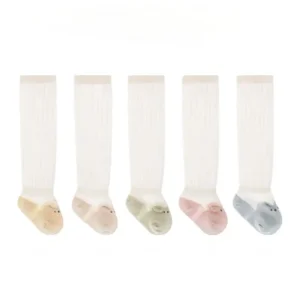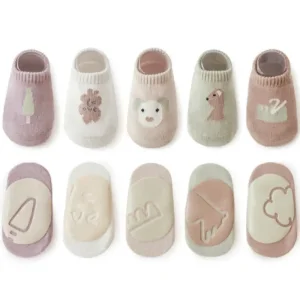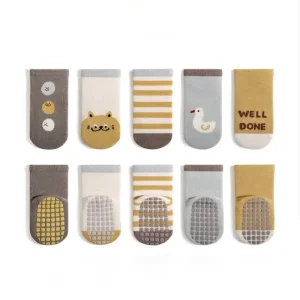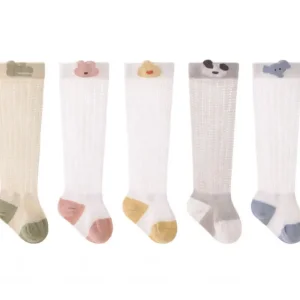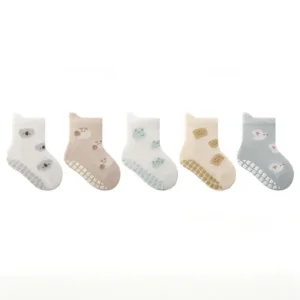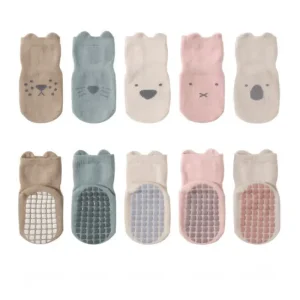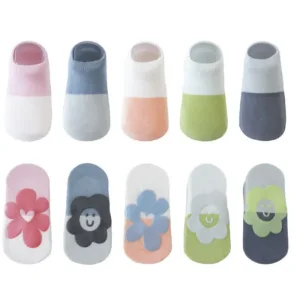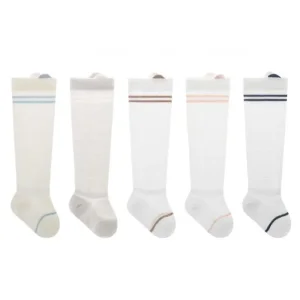
Featured Precision Hosiery & Ergonomic Footwear
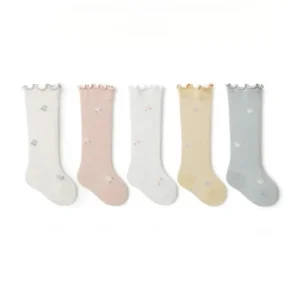
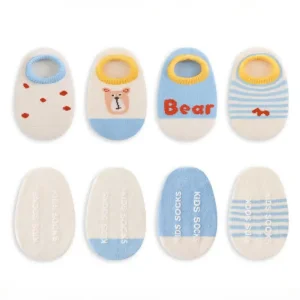
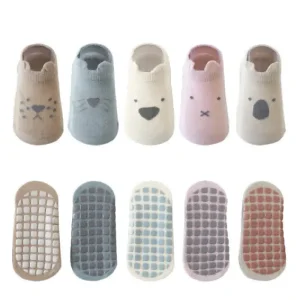
Explore our verified original product lines, featuring certified natural cottons, non-slip grip configurations, and precision technical knitting compliant with international safety audits.
The High-Performance Evolution of Alpaca Sock Manufacturing
Strategic macroeconomic, biophysical, and supply chain insights shaping high-density alpaca fiber hosiery for international enterprise buyers, technical sports brands, and private-label retailers.
Fiber Morphometry & Micro-Air Pockets
Unlike solid cross-section sheep wool, alpaca fiber features an intrinsic medullated core characterized by microscopic chambers. These semi-hollow cavitations trap dormant air, delivering extraordinary warmth-to-weight ratios without adding physical bulk or requiring synthetic fillers.
Hypoallergenic & Lanolin-Free Purity
Alpaca fiber lacks lanolin—the organic waxy allergen present in standard sheep fleece. This biochemical property guarantees that commercial socks made from pure or blended alpaca fleece can be certified hypoallergenic, cutting post-production scouring chemicals and water footprints by up to 40%.
Differential Wicking Dynamics
With an ultra-low moisture retention rate (under 8% compared to wool's 16-18%), alpaca fibers rely on high capillary forces along the outer shaft to evacuate perspiration directly to the outer sock boundary, curbing bacterial colonization and eradicating foot odor under prolonged athletic strain.
Procurement Demands from Global Brands
Leading Tier-1 outdoor, winter lifestyle, and tactical retailers require certified baby alpaca (under 21.5 microns) and super-fine alpaca (25.5 microns). B2B procurement agreements now mandate full trace integrity, OEKO-TEX Standard 100 verification, and compliance with Responsible Alpaca Standards (RAS).
Tensile Optimization via Synthetic Cores
Because virgin alpaca exhibits lower raw tensile strength than combed cotton or multi-filament nylon, cutting-edge factories apply core-spinning technology. Wrapping fine alpaca fibers around a recycled elastane or nylon 6,6 filament creates a yarn that withstands rigorous 20,000+ Martindale abrasion cycles.
Macro-Economic Paradigm: Natural Luxury Replacing Synthetics
Global regulatory policies against microplastic shedding (such as EU textile sustainability directives) are steering brand sourcing officers away from acrylic and polyester fleece toward natural bio-based fibers. High-grade alpaca yarn presents brand directors with high-margin product tiering, elevating socks from seasonal commodities into high-performance, carbon-responsible technical accessories.
China Hosiery 4.0: Supply Chain Resilience & Engineering Precision
Combining multi-needle automated circular knitting, real-time tension calibration, and comprehensive quality assurance to solve alpaca fiber's natural processing complexities.
Computerized Tension-Controlled Knitting
Alpaca yarns are sensitive to uneven spindle resistance. Our automated Lonati and Santoni computerized machines integrate optical infrared sensors that constantly balance yarn feeding tension, preventing dropped stitches and thread breakage during high-speed, 168N to 200N fine knitting runs.
Seamless 'Rosso' Toe-Linking Automation
Bulk friction points often lead to blisters during heavy trekking. We deploy robotic automated toe-linking systems that link every stitch flush against the sock toe line. This hand-linked flat finish guarantees zero ridge pressure across footwear forefoot boxes.
Multi-Zone Anatomical Cushioning
Through variable loop-density jacquard programming, our factory engineers high-density alpaca loop piles beneath the metatarsal and heel regions for kinetic shock reduction, while integrating ultra-thin mesh extraction channels along the dorsal arch to speed moisture exhaust.
Annual Capacity
Pairs engineered annually for bulk programs
Smart Campus
Unified R&D, knitting, boarding & packaging
On-Time Dispatch
Sustained international SLA delivery score
Export Nations
Supplying retailers and distributors worldwide
Industrial Grade Engineering Matrix for Alpaca Hosiery
Select yarn compositions, needle counts, and structural finishes matched directly to your market segment and climatic demands.
| Target Segment | Fiber Composition | Needle Count | Reinforcement Architecture | Compliance Standards |
|---|---|---|---|---|
| Alpine Technical Trekking | 50% Baby Alpaca, 30% Merino Wool, 18% Nylon, 2% Spandex | 144N / 168N | Double-ply heel/toe pocket, terry sole cushion | OEKO-TEX 100, BSCI, Sedex |
| Extreme Cold Mountaineering | 70% Superfine Alpaca, 20% Recycled Nylon, 10% Lycra | 108N / 120N | Full-leg high loop pile, elasticated arch compression | RAS Certified, ISO 9001 |
| Urban Luxury Business & Dress | 45% Royal Baby Alpaca, 40% Organic Pima Cotton, 15% Polyamide | 200N / 240N | Ultra-flat linked toe, non-binding micro rib cuff | WRAP, Sedex SMETA |
| Therapeutic & Diabetic Care | 60% Pure Alpaca, 35% Modal, 5% Spandex (No Elastic Cuff) | 168N | Relaxed cross-stretch welt, inverted seams | FDA / CE Medical Grade Ready |
| Heavy Industrial / Workwear | 40% Alpaca, 35% Acrylic, 23% Industrial Polyamide, 2% Antistatic Fiber | 120N / 132N | Steel-toe abrasion pads, antistatic conductive thread | EN ISO 20345 Compatible |
Engineered Footwear Across Commercial & Industrial Sectors
Alpaca hosiery meets demanding regional requirements—from sub-zero outdoor workwear to premium hospitality and everyday retail collections.
Extreme Cold Logistics & Cryogenics
Cold storage facilities and sub-zero supply chains require insulation that resists sweat buildup. Alpaca socks protect operators from frostbite and foot chill during continuous 10-hour shifts in -30°C automated storage systems.
High-Altitude Mountaineering & Winter Sports
Commercial outdoor brands leverage our custom alpaca socks for mountaineering boots, Nordic ski shells, and cross-country treks. The medullated fiber helps prevent hot spots and blisters caused by repetitive, long-distance friction.
Premium Hospitality & Private Aviation
First-class airlines, luxury boutique hotels, and luxury wellness retreats choose custom branded alpaca bed socks and lounge footwear to provide guests with ultra-soft comfort that stands out from common disposable slippers.
Frequently Asked Technical & Sourcing Questions
Direct answers to common questions about yarn minimums, washing shrinkage rates, private-label branding, and export documentation.
Why blend synthetic filaments with pure alpaca fibers?
What Minimum Order Quantity (MOQ) applies to custom alpaca socks?
How does your factory prevent shrinkage during commercial laundering?
What certifications back your social compliance and raw materials?
What branding and packaging services do you offer for OEM lines?
What are typical sampling and production lead times?
Launch Your Custom Technical Hosiery Line
Connect with our product engineers to review fiber selections, request prototype yarn swatches, and receive an itemized manufacturing quotation for your upcoming seasonal collection.
Specialized Functional & Everyday Footwear Solutions
Explore our full line of functional and everyday footwear, including seasonal anti-mosquito designs, cooling cartoon styles, and silicone-grip walking socks for contract supply.