
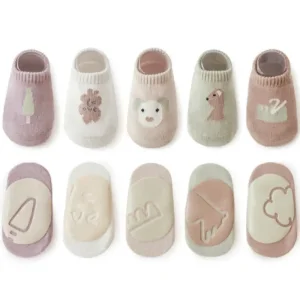
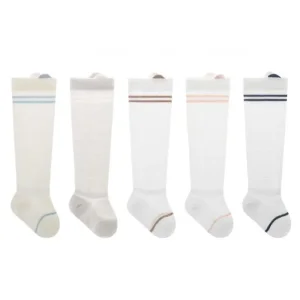
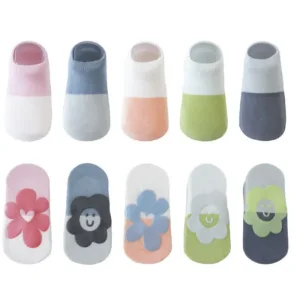
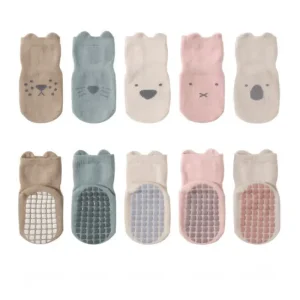
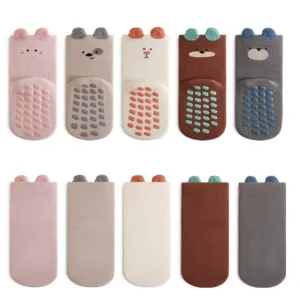
High-Quality Non Slip Toddler Socks Cute Cartoon Baby Socks With Grips Crew Walking Socks
Inspect Technical Specs
Engineered for multi-stage ambulation, acute clinical care, and developmental pediatric safety with high coefficient-of-friction (CoF) silicone outsoles.
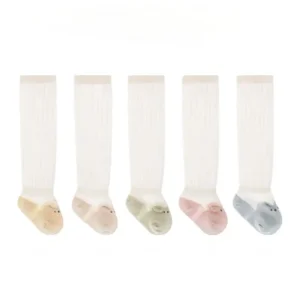
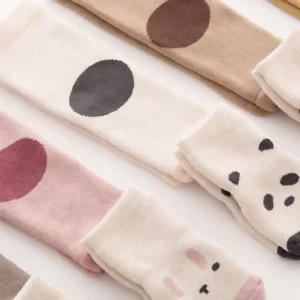
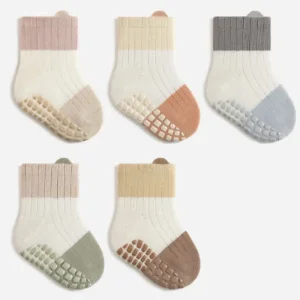
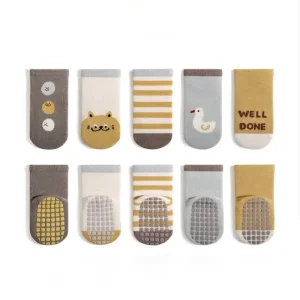
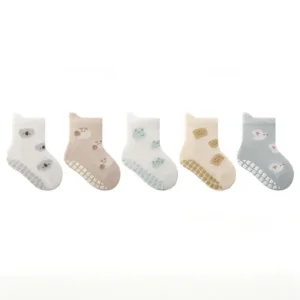
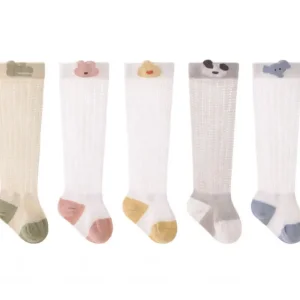
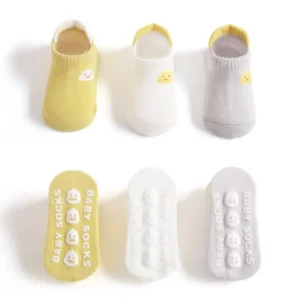
Strategic analysis on inpatient fall prevention metrics, nosocomial cross-contamination protocols, and next-generation polymer textile vulcanization.
Unintended inpatient falls represent over $34,000 in average uncompensated medical costs per incident in global hospital groups. Standard textile hosiery exhibits a dynamic dry CoF below 0.25 on hospital-grade vinyl and terrazzo floors. Our engineered silicone matrices maintain a static and dynamic CoF exceeding 0.68, directly truncating slips during patient bedside transfers and night ambulation.
Conventional PVC dots release phthalates and degrade under thermal wash cycles, resulting in brittle micro-particles. MiFo integrates 100% medical-grade, platinum-cured liquid silicone rubber (LSR). Chemically inert, non-sensitizing (ISO 10993 compliant), and hypoallergenic, our silicone treads withstand autoclaving, high-heat commercial laundries, and aggressive disinfectant protocols.
Compromised peripheral circulation in geriatric and post-surgical patients necessitates footwear that prevents deep vein thrombosis (DVT) without inducing tourniquet effects. Utilizing 144-needle and 168-needle computerized Italian knitting frames, our footwear features anatomical non-binding cuffs coupled with 8-15 mmHg graduated compression zones for continuous venous return.
Combining Sichuan MiFo Technology Co., Ltd. and Chengdu MiFo Biological Technology Co., Ltd. into a cohesive 42,000 m² high-capacity medical textile campus.
Custom coded color-matching protocols (Yellow for Fall-Risk, Red for Allergy Alert, Green for Bariatric/Discharge) standardized per NHS and Joint Commission guidelines, simplifying nursing triage workflows.
High-speed computerized multi-gauge flatbed and circular knitting machines allow scale elasticity. Bulk runs for governmental disaster reserves or health ministries transition from raw fiber to port within 18 days.
Direct automated raw yarn extrusion, proprietary in-house mold tooling, and automated 3D silicone printing strip away intermediate trade margins, yielding unmatched B2B institutional pricing.
Technical comparison across thermal stability, slip coefficients, mechanical durability, and biological tolerance.
| Performance Dimension | MiFo Custom Silicone Medical Footwear | Standard Commercial PVC Slipper Socks | Clinical Advantage Metric |
|---|---|---|---|
| Traction Polymer Compound | Liquid Platinum-Cured Silicone Rubber (LSR) | Polyvinyl Chloride (PVC) Plastisol Dip | +180% Thermal Resistance |
| Dynamic CoF (ASTM F2913) | 0.68 – 0.82 (Wet / Dry Terrazzo & Vinyl) | 0.28 – 0.38 (Dry Only, Drops Rapidly Wet) | Eliminates Hydroplaning |
| Sterilization Resiliency | Autoclave safe (134°C), Ethylene Oxide (EtO), Gamma | Melts/Degrades above 60°C; Single wash failure | Multi-Cycle Institutional Reusability |
| Tension & Compression Banding | Graduated 8-15 mmHg with Non-Constricting Cuffs | Linear Elastic Strand (High Tourniquet Hazard) | Safe for Peripheral Edema |
| Microbial & Odor Control | Silver-Ion Embedded Microfiber Matrix (Inherent) | Surface Topical Spray (Dissolves post-wash) | 99.9% MRSA Inhibition at 50 Washes |
A closed-loop five-phase OEM/ODM pathway engineered to eliminate variability between client specifications and volume execution.
Translating pressure-mapping clinical data into bespoke 3D CAD grip outsoles. Optimizing tread thickness (0.8mm to 1.8mm) to isolate high-impact metatarsal and calcaneus shear zones.
Formulating combed organic ring-spun cotton, OEKO-TEX certified spandex, and hydrophilic moisture-wicking cool-core polymers. Custom dye lots match exact institutional pantones.
Deployment across multi-gauge computerized machines. In-line optoelectronic camera inspection flags needle breakage, tension dips, and dimension variances at real-time speeds.
Automated silkscreen or robotic dispensing applied inside controlled curing ovens. Ensures molecular cross-linking between liquid silicone and raw yarn fibers for zero-delamination.
Cleanroom single-pair sterilization pouches, dispensary-ready bulk compression bags, or retail cartons equipped with GS1-compliant barcodes, batch tracing, and rapid customs clearance through EU/FDA portals.
Stringent compliance architectures designed to satisfy healthcare authorities, risk management boards, and international retailers.
100% adherence to social compliance, ethical labor criteria, and environmentally sustainable production standards verifiable via SMETA reports.
Certified free from over 300 harmful chemicals, formaldehydes, and carcinogenic arylamines, ensuring safe contact with fragile geriatric and infant skin.
Exhaustive laboratory friction metrics benchmarked against ASTM F2913 and F1677 Mark II testing jigs across dry, wet, and soapy clinical flooring substrates.
Product lines compliant with Class I Medical Device registration protocols, providing unhindered supply chain integration for North American hospital systems.
Bridging traditional manufacturing with responsive biometrics, sustainable bio-polymers, and automated smart-ward infrastructure.
In-development pilot integrating micro-conductive threads and flexible piezoelectric pressure sensors into the silicone outsole. This enables real-time bedside gait-speed telemetry, immediate unassisted egress alerts, and wireless notifications sent to nurse consoles.
Transitioning from fossil-derived siloxane components to renewable sugarcane-synthesized bio-silicones. Paired with 100% post-consumer recycled rPET knit fibers, MiFo is pioneering an industrial footwear matrix that achieves complete biodegradation within municipal composting facilities.
Engineering microscopic directional drainage channels within the vulcanized silicone treads. Similar to racing tire hydroplaning mitigation, this geometry channels liquids (spilled saline, bodily fluids, sanitizers) outwards, preserving dry grip contact on contaminated surfaces.
Explore customized configurations featuring premium non-toxic grip architectures for neonatal, pediatric, and rehabilitation facilities.
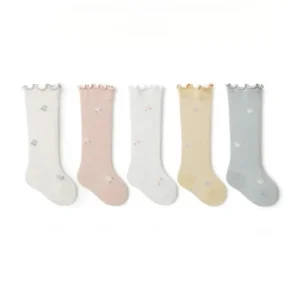
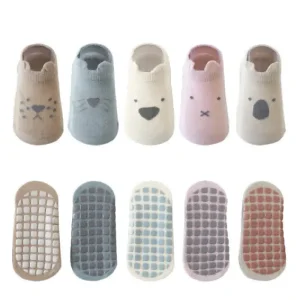
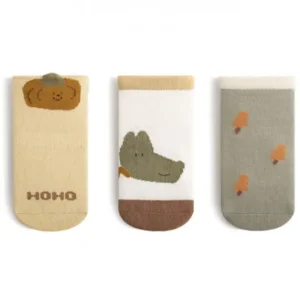
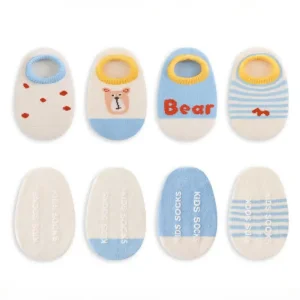
Comprehensive regulatory, chemical, and supply chain insights for healthcare tenders and procurement executives.
Plastisol PVC utilizes phthalate plasticizers that leach out during standard institutional wash cycles, causing treads to crack, release microplastics, and suffer significant friction losses on wet surfaces. MiFo uses cross-linked liquid silicone rubber (LSR), which remains inert, highly elastic across -40°C to +200°C, and fully compliant with cytotoxicity and dermal sensitization standards (ISO 10993).
We produce standardized clinical fall-management colorways directly aligned with regional protocols: High Fall-Risk (Safety Yellow), Known Allergy (Alert Red), Limb Alert (Vibrant Pink), and Bariatric/Standard (Teal/Royal Blue). Custom color dying runs through computerized spectrophotometer matching to achieve Delta E < 0.8 consistency across consecutive production batches.
Yes. Disoriented, geriatric, or post-sedation patients frequently twist socks during in-bed movement. We engineer 360-degree dual-profile traction printing on both dorsal and plantar surfaces, ensuring non-slip functionality immediately upon bed egress regardless of sock rotational orientation on the foot.
Our standard MOQ for completely customized silicone tread geometries (such as incorporating hospital logos, customized micro-drainage channels, or tailored thickness variations) starts at 1,200 to 3,000 pairs depending on the yarn complexity, with CNC tooling turnarounds within 5 business days.
We provide multiple medical packaging formats: automated individually vacuum-sealed polybags, cleanroom-compatible peelable medical pouches ready for ethylene oxide (EtO) sterilization, or dispensable bulk master cartons designed for point-of-care hospital wall carts.
Every shipment is accompanied by a comprehensive technical dossier: Certificate of Analysis (CoA), ASTM F2913 Whole Footwear slip test certifications, OEKO-TEX Standard 100 chemical verifications, Sedex/BSCI social compliance audits, and full shipping manifests (Bill of Lading, Packing List, Commercial Invoice) pre-cleared for smooth port entry worldwide.