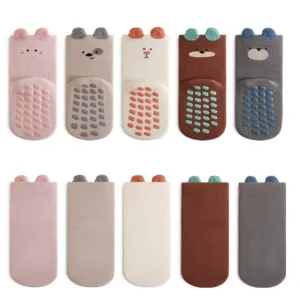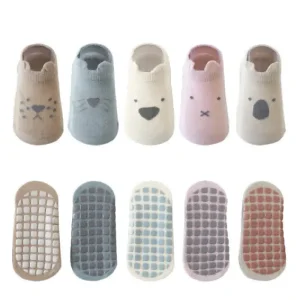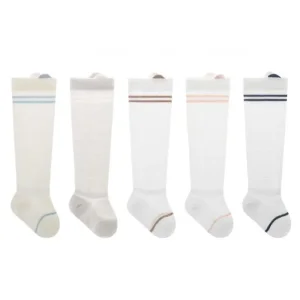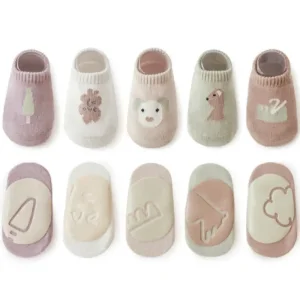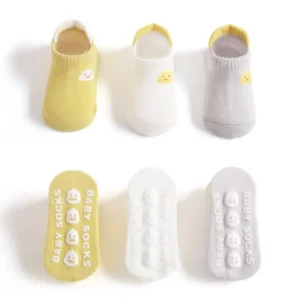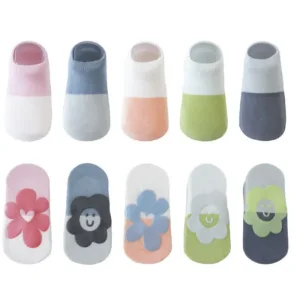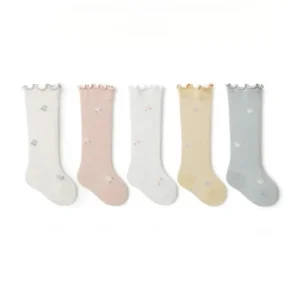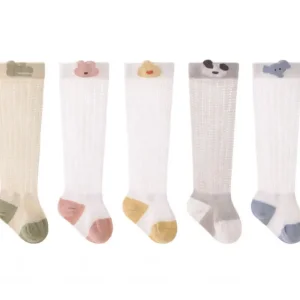
Selected Institutional & Custom Disposable Sock Lines
Direct OEM manufacturing with micro-fiber spunbond integration, computerized anti-slip dotting, and certified medical-grade hygienic processing.
Evolution of the Non-Woven Disposable Hosiery Sector
Transitioning from basic foot barriers to specialized, multi-composite non-woven substrates engineered for bio-barrier safety, micro-particulate containment, and operational compliance.
Infection Control & Biosafety
The post-pandemic landscape requires healthcare systems, ambulatory surgical centers (ASCs), and cleanrooms to integrate disposable single-use non-woven hosiery. These barriers eliminate pathogen cross-contamination, resist fluid permeation, and meet ISO 22610 surgical drape and barrier guidelines with superior filtration standards.
Sustainable & PLA Substrates
Global decarbonization mandates have prompted procurement leaders to favor biodegradable non-wovens over petroleum-based plastics. Manufacturers develop pure Poly Lactic Acid (PLA) non-woven filaments, hydro-entangled viscose, and FSC-certified bamboo composites that degrade in commercial compost facilities without leaving persistent microplastics.
Advanced Traction Geometries
Modern non-woven disposable hosiery uses computer-mapped vulcanized thermoplastic elastomer (TPE) and biomedical-grade silicone micro-dots. By integrating friction coefficients (μ > 0.6) across high-slip epoxy or polished hospital vinyl floors, manufacturers balance disposable production cost with verified anti-fall mechanics.
Enterprise Sourcing: Material Science & Structural Architecture
Critical mechanical and physiological parameters evaluated by global institutional buyers, medical procurement executives, and safety directors.
| Substrate / Structure | GSM Range | Tensile Strength (MD/CD) | Breathability / WVP | Primary Industrial Use Case |
|---|---|---|---|---|
| Spunbond PP (Polypropylene) | 25 - 45 g/m² | ≥ 45 N / ≥ 32 N | High (> 3500 g/m²/24h) | Aviation kits, retail footwear try-on, hotel wellness centers |
| SMS / SMMS Multi-Layer | 40 - 65 g/m² | ≥ 75 N / ≥ 58 N | Balanced Fluid Barrier | Clinical surgery suites, infectious control wards, fall-prevention units |
| Spunlace (Viscose / Poly Blend) | 35 - 60 g/m² | ≥ 60 N / ≥ 48 N | Ultra-Soft Textile Feel | Luxury spa environments, clinical diagnostics, postpartum hospital recovery |
| Pure Bio-Based PLA Spunbond | 30 - 50 g/m² | ≥ 50 N / ≥ 38 N | Eco-Vapor Permeable | ESG-compliant corporate chains, medical resorts, luxury hospitality suites |
| Microporous Film Laminate | 50 - 70 g/m² | ≥ 85 N / ≥ 65 N | Particulate Proof (ISO Class 4) | Semiconductor cleanrooms, pharmaceutical sterile processing lines |
China Factory 4.0: Supply Chain Agility & Digital Precision
How Sichuan MiFo Technology leverages end-to-end automation, real-time quality diagnostics, and complete production integration to meet high-volume global demand.
Computerized Ultrasonic Seaming
Traditional cut-and-sew methods introduce weak needle holes and irregular seam ridges. Our lines feature continuous ultrasonic thermal bonding to deliver smooth, leak-proof seams with high burst pressure resistance, providing comfort for barefoot patients or cleanroom personnel.
Automated Dispenser Packaging
To reduce human labor at institutional sites, our factory integrates automated packing cells. We support bulk vacuum reduction, compressed roll formats, and customized touch-free carton dispensers, helping clients optimize international ocean freight density by up to 34%.
AI Optical Defect Detection
Every meter of raw non-woven web passes high-speed optical vision sensors that screen for thread counts, pinholes, tensile weak spots, and elastic adherence variations. This automated process minimizes downstream failure rates across mass-scale institutional deployments.
Global Applications for Disposable Foot Coverings
Engineered for high foot-traffic environments requiring strict hygiene, reliable floor traction, and predictable disposal protocols.
Healthcare & Diagnostics
Single-patient slippers for MRI rooms, chemotherapy infusion centers, endoscopy clinics, and maternity wards. Color-coded soles support patient fall-risk stratification protocols.
Commercial Aviation
Ultra-lightweight, skin-friendly Spunbond-Viscose socks packaged for long-haul business and first-class amenity kits, providing in-cabin hygiene and relaxing micro-cushioning.
Microelectronic Cleanrooms
Non-linting, anti-static (ESD) compliant disposable booties engineered for ISO Class 5–7 cleanroom environments, preventing shed particulate contamination.
Footwear Retail & Bowling
Hygienic foot socks for retail shoe fitting, high-volume bowling centers, and indoor play parks, protecting customers while preserving trial footwear freshness.
Frequently Asked Engineering & Sourcing Inquiries
Detailed insights from our production engineers and export specialists to support OEM/ODM evaluation.
How does non-woven disposable hosiery differ from standard knitted single-use socks?
Non-woven disposable hosiery is formed directly from extruded polymer filaments (such as polypropylene or PLA) through spunbonding, hydro-entanglement, or meltblown methods without yarn spinning or knitting. This creates an even fiber matrix that provides superior particulate containment, low linting, barrier resistance against liquid splashes, and cost efficiency in mass production compared to knitted options.
What grip formulations are applied to disposable non-wovens to prevent clinical slips?
We apply computerized, heat-vulcanized PVC plastisol or high-tack medical-grade silicone micro-patterns. The compounds are cured at controlled temperatures to prevent fiber melt while achieving high bonding strength, resisting detachment under wet surface shear forces in hospital bathrooms and therapy floors.
Can MiFo formulate biodegradable or compostable single-use hosiery?
Yes. We offer continuous spunbond webs derived from pure polylactic acid (PLA) cornstarch resin, alongside hydro-entangled non-wovens made from 100% bamboo or wood-pulp viscose. When combined with natural rubber or bio-based silicone tread patterns, these products meet EN 13432 and ASTM D6400 industrial composting requirements.
What quality audits, laboratory tests, and compliance certifications apply to production?
Our production facilities maintain BSCI and Sedex SMETA compliance. Depending on client requirements, production runs can be verified for skin sensitization (ISO 10993-10), hydrostatic pressure resistance (AATCC 127), and dynamic coefficient of friction testing (ASTM D1894), ensuring dependable quality across all shipments.
High-Performance Custom Hosiery Product Series
Explore our additional customized manufacturing lines, including technical grip solutions, breathable single-layer daily foot coverings, and reinforced specialty knits.