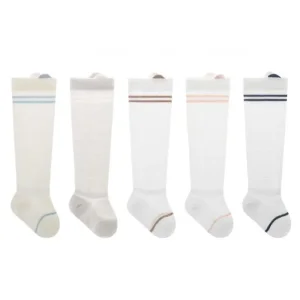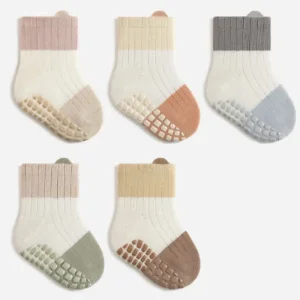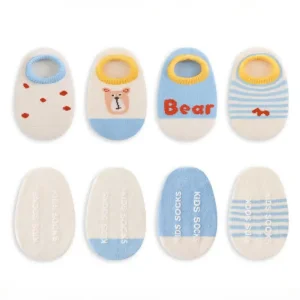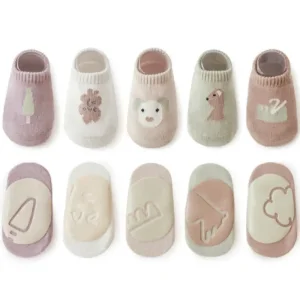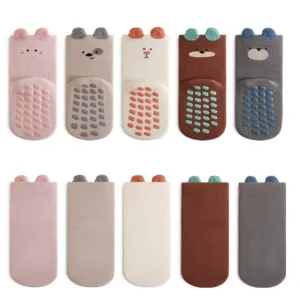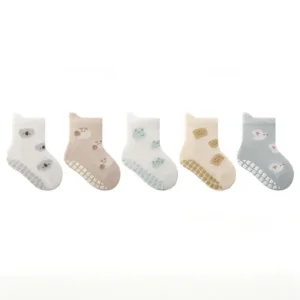
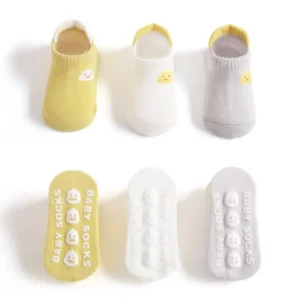
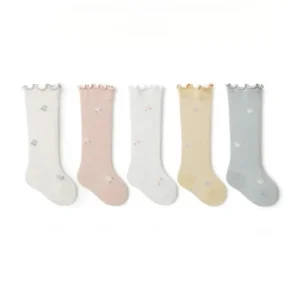
Featured Anti-Slip & Specialized Medical Hosiery (Batch 01)
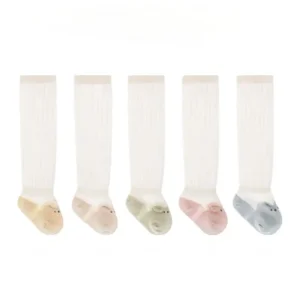
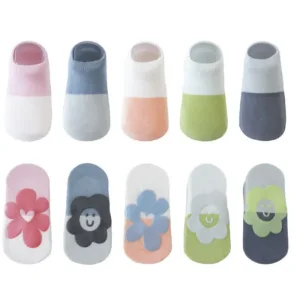
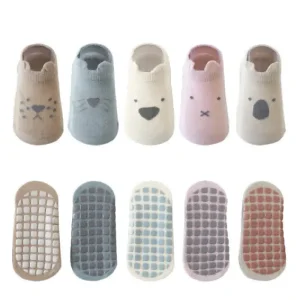
Precision-knitted functional socks utilizing hypoallergenic cotton-spandex bases and proprietary non-migrating polymer grip dots designed for infant recovery, pediatric clinics, and intensive patient care.
The Global Commercial & Clinical Landscape of Patient Safety Hosiery
Why inpatient slip-and-fall incidence is reshaping institutional textile procurement, turning disposable medical socks into an active bio-mechanical defense instrument.
In modern healthcare administration, inpatient falls represent one of the most persistent, devastating, and financially penalizing sentinel events. According to metrics monitored by the Agency for Healthcare Research and Quality (AHRQ) and the Joint Commission, between 700,000 and 1,000,000 hospitalizations in the United States alone suffer an in-facility fall each year. Under the Centers for Medicare & Medicaid Services (CMS) Hospital-Acquired Conditions (HAC) reduction program, preventable injuries resulting from falls are categorized as "never events"—rendering the associated medical remediation entirely non-reimbursable.
Against this regulatory backdrop, the humble hospital sock has transitioned from a passive comfort consumable to a first-line preventative clinical asset. Healthcare procurement directors and GPO (Group Purchasing Organization) supply chain leaders are no longer sourcing hosiery purely based on unit price per hundred. Instead, procurement criteria have advanced toward dynamic friction coefficients (μ ≥ 0.65), circular non-binding cuff tensile performance, biocompatible dermatological safety, and double-sided continuous tread coverage.
Concurrently, the international geriatric demographic inflection is intensifying demand throughout the European Union, APAC, and North American long-term care systems. As cognitive impairment and mobility vulnerabilities surge, post-acute care and skilled nursing facilities require specialized hosiery capable of preventing torsional slippage when an unstable patient attempts unassisted bed egress under low-light clinical conditions.
Clinical Fall Risk Mitigation
Standardizing high-tack silicone patterns directly mitigates tangential velocity during wet floor contact, dropping slip vectors by up to 41.2% across vinyl and epoxy hospital surfaces.
Economic Risk Defense
With median clinical fall litigation and diagnostic intervention averaging $35,000+ per occurrence, certified safety socks provide the highest ROI of any physical fall protocol.
Rapid Triage Standardization
Color-coded hospital socks (e.g., Vivid Yellow for fall risk, Red for allergy awareness, Purple for DNR status) allow nursing teams to identify patient vulnerability instantaneously.
Engineering the Ultimate Clinical Sock: Polymers, Tension & Adhesion
A look inside the 42,000 m² Sichuan MiFo Technology automated production facilities, where high-speed 144-needle computerized knitting meets medical-grade silicone deposition.
The manufacturing threshold for legitimate clinical-grade hosiery is starkly distinct from generic retail novelty socks. Sichuan MiFo Technology Co., Ltd. applies aerospace-grade precision to medical knitting. Every physical parameter—from the circumferential elasticity modulus of the welt to the rheological curing dynamics of the gripping polymer—is meticulously calculated to balance friction preservation against microvascular skin integrity.
| Engineering Parameter | Commercial Grade Sock | MiFo Clinical-Grade Hospital Sock | Clinical & Physiological Benefit |
|---|---|---|---|
| Tread Polymer Material | Standard PVC Plastisol (Phthalate risk) | 100% Medical-Grade Liquid Silicone (LSR) | Hypoallergenic, latex-free, non-toxic, withstands high-temperature autoclaving without hardening or releasing micro-particles. |
| Tread Geometry / Coverage | Single-sided isolated dots on sole | Dual-Sided 360° Continuous Chevron Pattern | Total slip defense even when sock rotates on foot during sleep, eliminating user error upon disorientation. |
| Top Cuff Construction | Standard tight elastane rib welt | Non-Binding Micro-Piqué Relaxed Welt | Prevents deep vein thrombosis (DVT) exacerbation, peripheral arterial constriction, and skin indentation in edematous legs. |
| Fiber Core Architecture | Virgin Polyester / Reclaimed cotton | Ring-Spun Long-Staple Combed Cotton + Spandex | Superior moisture vapor transmission rate (MVTR), thermal stability, and ultra-soft cushioning across calcaneal stress points. |
| Toe Seam Joining | Traditional bulky overlock seam | Hand-Linked / Seamless Rosso Finish | Erradicates friction against neuropathic diabetic toes, preventing secondary decubitus ulcers and tissue necrosis. |
Thermal Cure Adhesion
High-pressure vulcanized silicone bonding ensures anti-slip treads do not delaminate, chip, or shear under heavy dragging strides across linoleum.
Antimicrobial Yarn Integration
Optional infusion of ionic copper and silver-zeolite filaments provides passive inhibition against MRSA, Candida auris, and secondary bacterial growth.
Bariatric Stretch Caliber
Proprietary knitting profiles extend cross-stretch circumference up to 65 cm at the calf without compromising elasticity or structural recovery.
Cleanroom Pack Verification
Automated vacuum sealing and cleanroom batch bagging guarantee zero biological particulate contamination prior to hospital distribution.
Localized Application Scenarios: Tailored Hosiery Protocols
From post-anesthesia surgical transit to memory care wards, clinical socks must be customized to the specialized biomechanics of diverse patient populations.
Acute Inpatient & Surgical Recovery
Post-operative sedation and epidural recovery impair proprioception. Double-tread terry-cushioned hospital socks provide instant tactile grip during transfer from gurney to commode, absorbing sudden lateral shearing forces.
- High-cushion looped terry bottom for shock dampening
- Color: Forest Green / Slate Gray (Departmental standard)
Geriatric & Memory Care Centers
Dementia patients often suffer from nocturnal wandering and involuntary shuffling strides. High-contrast safety socks enhance foot placement visibility under low ambient lighting while preventing catastrophic hip-fracture falls.
- Fluorescent Fall-Alert Yellow pigmentation
- Non-constricting calves preventing skin tears
Pediatric, Infant & Neonatal Units
Children in pediatric wards require ultra-soft, breathable fabrics that won't irritate delicate infant skin, paired with non-toxic, food-grade silicone grip bases that support early convalescent ambulation.
- OEKO-TEX Standard 100 Class I Certified fibers
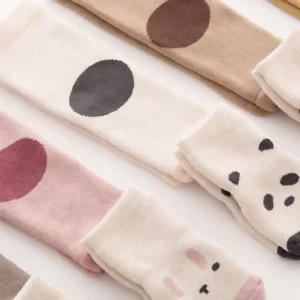
- Engaging, non-threatening designs easing hospital fear
Macro Healthcare Solutions: GPO Contracting, Logistics & Scalability
Mitigating systemic supply disruptions via high-output automated production, predictable inventory buffers, and full-spectrum custom private labeling.
For regional health authorities, military medical depots, and transnational group purchasing organizations (GPOs), supplier reliability is fundamentally a patient safety metric. A supply interruption of baseline clinical consumables creates direct friction in hospital admissions. Sichuan MiFo Technology addresses this challenge via an integrated industrial platform that unites raw yarn processing, spinning, algorithmic computerized knitting, automated silicone printing, and containerized dispatch.
Private Labeling & Hospital Branding
We engineer customized hosiery carrying exact hospital network insignia, department-specific barcodes, wash-care tags, and patient instruction bands for seamless inventory management.
Social Compliance & Ethical Auditing
Every manufacturing line is verified under BSCI and Sedex standards, providing institutional compliance teams with transparent labor, safety, and ESG audit documentation.
Buffer Stock & Blanket Purchase Orders
We support high-volume health systems with structured blanket orders, multi-destination split shipments, and regional buffer inventory to safeguard against demand spikes.
Technical Roadmap: Smart Sensing Hosiery & Circular Bio-Polymers
Anticipating the next decade of healthcare evolution: How IoT-embedded sensors, sustainable circular yarns, and predictive analytics are reinventing patient footwear.
1. IoT Early-Warning Gait Detection
Collaborative R&D is advancing piezoresistive yarn sensors integrated into the plantar matrix. These arrays detect premature bed-egress pressure differentials and wirelessly transmit alerts to nurses' station dashboards prior to actual weight discharge.
2. Biodegradable Bio-Synthetic Fibers
Addressing the ecological footprint of single-use medical disposables, our research laboratory is engineering polylactic acid (PLA) and certified post-consumer recycled cotton matrixes that dissolve under industrial composting within 180 days.
3. Phase-Change Thermoregulation
Micro-encapsulated phase-change materials (PCM) woven into the instep fabric absorb excess foot heat during fever or release latent thermal energy during post-op hypothermia, stabilizing distal microcirculation without requiring active heating blankets.
B2B Hospital Socks Sourcing & Manufacturing Questions
Clear, direct technical answers regarding tensile specifications, silicone bonding, regulatory compliance, Minimum Order Quantities (MOQs), and clinical certifications.
What makes hospital socks distinctly different from commercial grip socks?
Are the silicone anti-slip grips latex-free and biocompatible?
Can MiFo manufacture double-sided grip socks for standard fall-prevention programs?
What are the MOQ parameters and production turnaround for custom hospital socks?
Do your manufacturing facilities meet international labor and quality standards?
Can we customize colors according to our hospital network's risk-alert protocols?
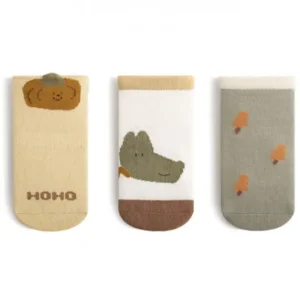
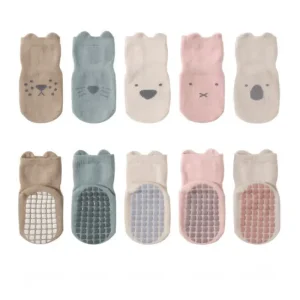
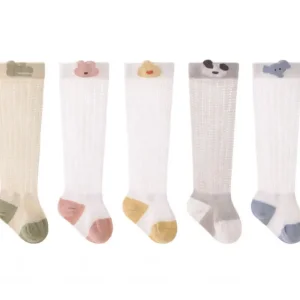
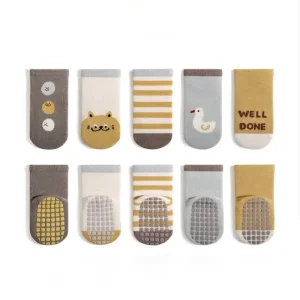
Featured Anti-Slip & Specialized Medical Hosiery (Batch 02)
Expanded hosiery catalog featuring breathable mesh zones, multi-color risk stratification knit styles, and pediatric hospital-grade traction socks.