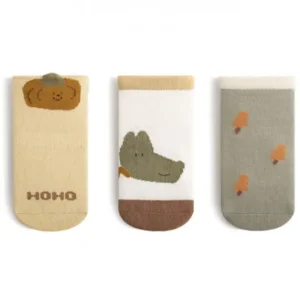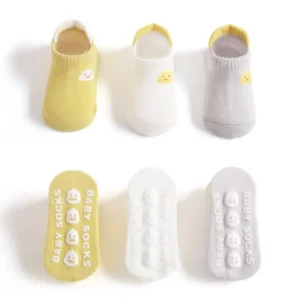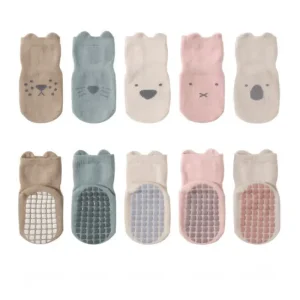
Technical Grip & Footwear Innovation Portfolio (Part I)
Explore initial benchmark architectures engineered across our specialized anti-slip and athletic manufacturing lines.
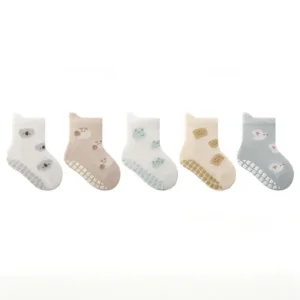
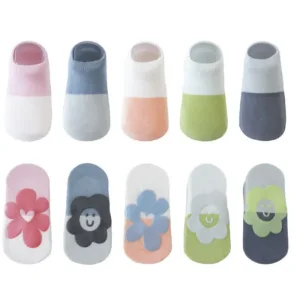
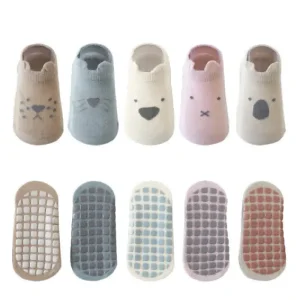
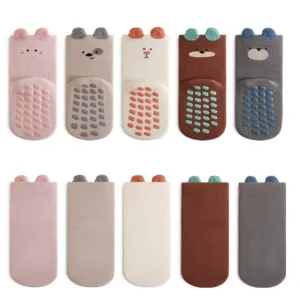
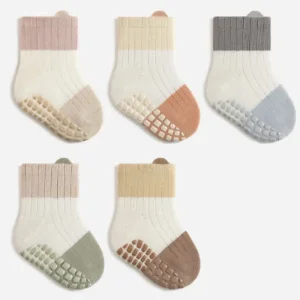
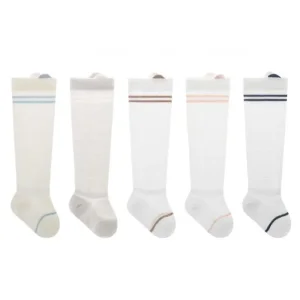
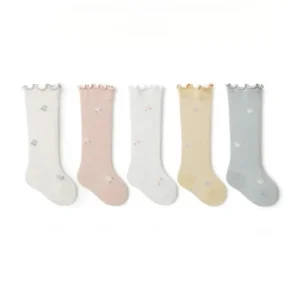
Morphological Engineering: The Female Athletic Foot Anatomy
Transitioning from generic unisex sizing to targeted anatomical engineering for female athletes.
In modern performance activewear, the historical practice of “shrink it and pink it”—taking a male athletic sock mold and grading it down—is obsolete. Biomechanical research highlights major morphological divergences between male and female lower extremities: women typically exhibit a higher foot length-to-width ratio, narrower heel calcar, higher or more dynamic arches, and higher plantar peak pressure zones during high-intensity training. A specialized Custom Athletic Socks Women's Factory must engineer hosiery through high-definition 168N and 200N computerized needle selections paired with graduated multi-zone elastane tension profiles.
Narrow Calcanean Y-Heel Pocket
By executing an expanded 3D inverted Y-gore knitting configuration, our automated single-cylinder machines prevent slippage and friction blistering during rapid deceleration and multidirectional agility cuts.
Dynamic Plantar Fascia Support
Variable compression spanning 18 to 24 mmHg around the midfoot arch promotes blood circulation, minimizes longitudinal arch fatigue, and locks the sock chassis to the footbed without causing circulatory restriction.
Micro-Channel Ventilation Ribbing
Integrated mesh zones along the dorsum accelerate vapor transmission via engineered cooling ducts, actively venting heat away during sustained aerobic sessions.
Localized Use Cases & Women-Centric Discipline Profiles
Engineering distinct functional solutions across performance athletics, recovery, and studio fitness.
Marathon & Long-Distance Running
Engineered with targeted terry cushioning under the first metatarsal head and calcaneus. Uses hydrophobic Coolmax-polyester blended with ultra-fine combed cotton to minimize shear forces and prevent friction blisters over high-mileage runs.
Pilates, Reformer & Barre Studios
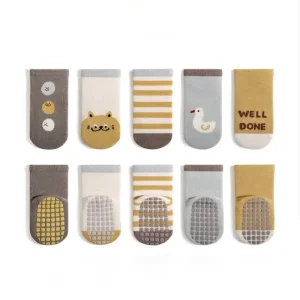
Equipped with medical-grade cured liquid silicone rubber (LSR) patterns on the plantar base. High-density honeycomb or topographic grip geometries provide positive traction during dynamic reformer carriage movements.
HIIT, CrossFit & Court Sports
High-friction lateral transitions in padel, tennis, and basketball require reinforced Cordura nylon in high-wear zones, paired with ankle stabilization ribs to dampen micro-twists.
Post-Workout Recovery & Travel
Calibrated 15–20 mmHg graduated calf compression socks assist the venous pump mechanism, mitigating edema during post-exercise recovery windows and long flights.
Technical Roadmap & Advanced Knitting Evolution
Architecting next-generation technical specifications through circular knitting automation and smart textiles.
| Performance Dimension | Standard Conventional Production | MiFo Advanced OEM Technical Standard | Next-Gen Material Roadmap (2026+) |
|---|---|---|---|
| Cylinder Density & Needles | 120N - 144N standard gauges | 168N - 200N ultra-dense gauges | 220N micro-fine compression systems |
| Toe Seaming Methodology | Traditional machine rosso seaming | Hand-linked seamless toe closure | Ultrasonic bonding & zero-friction welds |
| Traction Application | PVC drop-molded surface dots | Food/medical-grade liquid silicone | Laser-etched micro-suction structures |
| Yarn Functionalization | Post-knit topical chemical dips | Inherently embedded silver-ion / copper fibers | Phase-change microencapsulated thermoregulation |
| Elasticity & Recovery | Bare covered rubber elastic bands | Double-covered Lycra Spandex yarn | Bio-based closed-loop elastomeric polymers |
Our engineering roadmap combines computerized single-cylinder machines with integrated CAD-driven yarn feeding controls. By adjusting mechanical needle timing and needle-by-needle terry loops, our lines vary cushioning thickness across the plantar surface without introducing seams. This maintains structural support while keeping the upper foot contact areas light and unrestrictive.
China Factory Resilience & Vertical Scale Efficiencies
Combining Sichuan industrial advantages, upstream yarn reserves, and digital quality monitoring.
Vertical Integration Under One Roof
Founded in 2013, Sichuan MiFo Technology Co., Ltd. operates across a 42,000 m² modern industrial site. We integrate spinning, circular knitting, hand linking, automated silicone coating, steam shaping, and custom retail packaging into a unified workflow, eliminating inter-subcontractor delays.
Cost Optimization & Raw Material Hedging
Producing over 200 million pairs annually enables large-scale purchasing of combed cotton, recycled rPET nylon, and premium elastane. This raw material scale buffers overseas brand partners from global yarn market price spikes.
In-Line Digital QC & Rapid Sampling
Optical yarn-break detectors on circular knitting machines, paired with inline tensile testing and wash-shrinkage checks, keep batch deviations minimal. Tech-pack-to-physical prototyping turnaround runs between 5 and 7 business days.
Global Regulatory Compliance & Ethical Frameworks
Ensuring compliance with international labor, consumer safety, and environmental auditing standards.
BSCI & Sedex Social Audits
Our production facilities maintain transparent, certified BSCI and Sedex SMETA Pillar-4 audit records. We guarantee fair labor standards, workplace health, environmental management, and zero supply chain compromises for regulated global retailers.
OEKO-TEX Standard 100 Class I
All functional yarns, natural combed cotton fibers, silicone printing compounds, and reactive dyeing agents comply with OEKO-TEX Standard 100 Class I criteria. They test clear of AZO dyes, formaldehydes, phthalates, and heavy metals, meeting strict consumer skin-contact guidelines.
Targeted Cross-Border Trade Logistics
Backed by experienced freight management teams handling DDP, FOB, and CIF terms. We coordinate seamless deliveries across North American, European, and Australasian ports, supported by comprehensive customs documentation and pallet-level barcode tracking.
B2B Procurement & Engineering Questions
Detailed technical, operational, and commercial answers for enterprise sourcing professionals.
How do you adapt women's athletic sock patterns to prevent heel slippage during running?
We modify the knitting profile using an expanded Y-heel reciprocal knitting program that increases needle steps by roughly 15% over standard unisex cuts. Paired with high-recovery double-covered Lycra at the ankle collar, this establishes a secure cup around the narrower female calcaneus.
What is the standard Minimum Order Quantity (MOQ) for custom women's athletic socks?
Standard custom private-label orders typically begin at 1,000 to 1,200 pairs per color/style/size combination, aligning with yarn dyeing and computerized machine setup minimums. For specialized performance fibers, custom thresholds can be reviewed during project scoping.
Can you engineer localized graduated compression within performance socks?
Yes. Our automated single-cylinder machines feature electronic elastic yarn feeds that dynamically regulate rubber-inlay tension. We build graduated compression bands (such as 15–20 mmHg or 20–30 mmHg) from the metatarsal arch up to the upper calf.
How does your factory test and ensure silicone grip durability through repeated washes?
Our silicone printing operations use heat-cured, eco-friendly liquid silicone rubber (LSR). In-house lab tests run wash-cycle durability evaluations at 40°C across 30 to 50 wash cycles to verify peel resistance, adhesion strength, and friction retention.
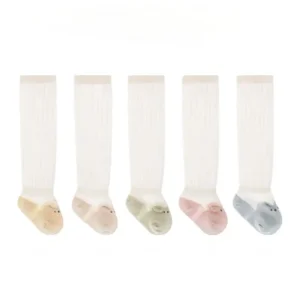
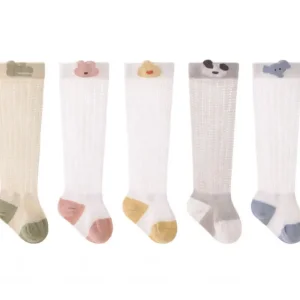
Technical Grip & Footwear Innovation Portfolio (Part II)
Explore additional high-performance knit and anti-slip options engineered across our Sichuan production base.