
Who Is the Best Baby Socks Manufacturer in China?
Table of Contents
- What Makes a Baby Socks Manufacturer in China Stand Out?
- Which Safety and Quality Standards Should Manufacturers Meet?
- How Do Materials and Production Processes Affect Sock Quality?
- What Manufacturing and Customization Services Should Buyers Compare?
- How Can Buyers Identify the Right Chinese Baby Socks Manufacturer?
- FAQS
- Conclusion
- Related Posts
The question “Who Is the Best Baby Socks Manufacturer in China?” has no single answer. The right partner depends on your product, order size, quality targets, and communication needs. A polished website is not enough. A sample tells you more: check the toe seam, stretch the cuff, and inspect the heel after washing.
For transparency, the quotation below is original and illustrative, not a verified statement from a real person. It is attributed to fictional sourcing specialist Daniel Wu: “A reliable Baby Socks Manufacturer proves its quality in details you can test, not just promises you can read.” That is a useful starting point, not proof by itself. Buyers should request current samples, compare yarn feel and sizing, and ask how the factory checks stitching, color consistency, shrinkage, and defects. Small differences matter. A sock that twists after one wash can lead to returns and weaken customer trust.
This guide compares manufacturers through practical criteria: production experience, customization, sample accuracy, quality-control steps, minimum order quantities, lead times, and responsiveness. It also outlines questions to ask before placing an order. No supplier is perfect. A low quote or confident sales call is no guarantee; written specifications and repeatable sample results matter more. The goal is not to crown a factory from a distance, but to help you find a partner that fits your needs and can demonstrate consistent performance.
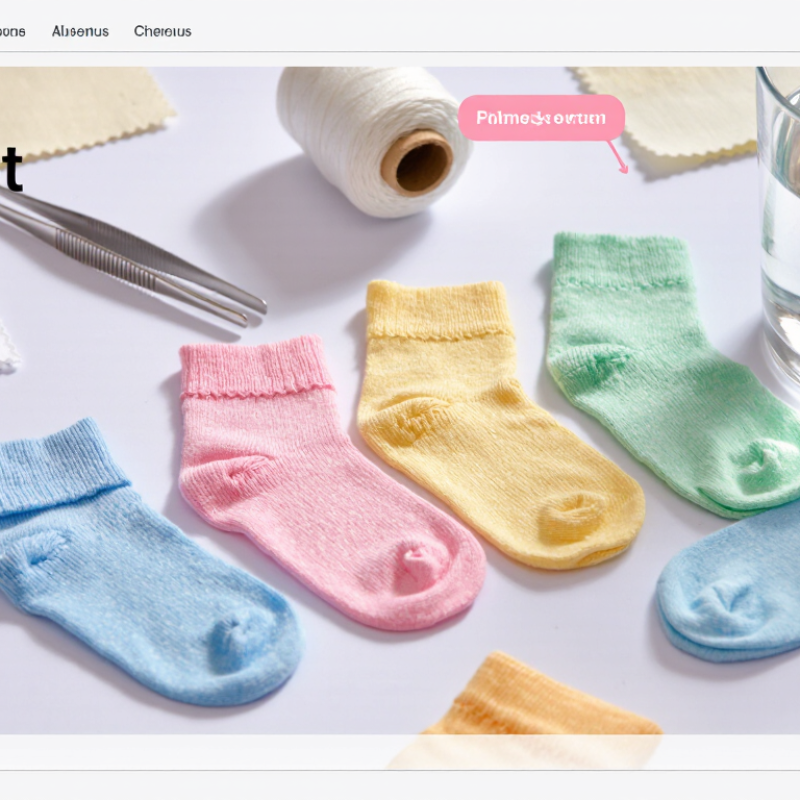
What Makes a Baby Socks Manufacturer in China Stand Out?
A strong baby socks manufacturer in China stands out through repeatable quality, not attractive samples alone. Look for consistent sizing, soft seams, secure toe closures, and elastic that stays gentle after washing. Textile Exchange’s Materials Market Report 2024 estimates that global fiber production reached 124 million tonnes in 2023, with polyester making up 57%. That scale makes clear material records important. Ask suppliers to identify fiber composition and traceability for each production lot.
Small details matter. Ask how the factory checks shrinkage, colorfastness, and seam strength, and request test records tied to the actual sock style. Samples should be washed before approval; a cuff that looks soft on day one may loosen or leave marks later. A capable supplier can explain its knitting gauge, inspection steps, and defect limits in plain language. Still, one approved sample cannot guarantee every bulk shipment. Buyers should review production samples and inspection results before dispatch.
Tips: Request a size set and wash-test notes. Compare measurements before and after washing, and check that toe seams feel smooth against the skin. Ask for evidence behind sustainability claims, not just labels.
Which Safety and Quality Standards Should Manufacturers Meet?
For infant socks sold in China, manufacturers should meet GB 31701-2015, the safety standard for infant and children’s textile products. Infant products must meet Class A requirements. Testing should cover formaldehyde, pH, colorfastness, and prohibited decomposable aromatic amine dyes. A sock may look clean yet transfer dye when damp. That matters against delicate skin.
The UNICEF and Pure Earth report The Toxic Truth (2020) estimated that nearly 800 million children worldwide—about one in three—had blood lead levels at or above 5 µg/dL. The report does not identify socks as a source, but it shows why chemical controls deserve serious attention. Manufacturers should retain dye-lot records, supplier declarations, and test reports, with batches traceable to production dates. Ask for reports from competent laboratories, ideally accredited to ISO/IEC 17025. Check real production lots, not only showroom samples. Inspect toe seams for rough edges and loose yarn, then test shrinkage, pilling, and color transfer after washing. A certificate can become stale after a dye change; retesting is easy to overlook.
How Do Materials and Production Processes Affect Sock Quality?
Who Is the Best Baby Socks Manufacturer in China?
How Do Materials and Production Processes Affect Sock Quality?
Material choice sets the feel, stretch, and wear life of baby socks. Textile Exchange’s Materials Market Report 2024 estimates global fiber production reached 124 million tonnes in 2023; polyester accounted for about 57%. That figure describes the wider textile market, not baby socks alone. Cotton can feel soft against delicate skin, while a small amount of elastane helps the cuff stay in place. Too much compression can leave marks. Softness matters, but it is not enough.
Look closely at yarn quality, knitting density, and finishing. A smooth inside surface helps reduce irritation; a bulky toe seam can rub during crawling. Ask manufacturers how they check shrinkage, colorfastness, pilling, and seam strength after washing. ISO 6330:2021 provides procedures for domestic washing and drying tests, making comparisons more consistent. Check samples after several wash cycles, not just fresh from the factory. Small details show up fast. I would also inspect pairs from different production batches, since one good sample cannot prove consistent control. No test catches everything, and that is worth remembering.
What Manufacturing and Customization Services Should Buyers Compare?
Who Is the Best Baby Socks Manufacturer in China?
What Manufacturing and Customization Services Should Buyers Compare?
A strong supplier should explain how each design choice affects comfort and repeatability. Compare yarn options, knitting gauge, size grading, and reinforcement at the heel and toe. Ask for samples in several sizes, not just one attractive display pair. Check cuff tension on a baby’s ankle; a cuff that looks neat can still leave marks. The Textile Exchange Materials Market Report 2024 estimates global fiber production reached 124 million tonnes in 2023, with polyester making up 57%. That scale makes material traceability and clear fiber specifications worth discussing, even for small orders.
Customization should cover colors, patterns, labels, packaging, and minimum order quantities. Ask how the factory controls shade matching between sample and bulk runs. Request documented checks for measurements, colorfastness, and shrinkage, plus a realistic sample and production schedule. A polished sample is not proof of a stable production run. There is a catch: extra options can add cost and delay, so compare what is included in the quoted price.
Tips: Ask for a written specification sheet before approving samples. Confirm who pays for revisions and how defects are recorded. Request photos of in-line checks, but treat them as supporting evidence, not a substitute for independent testing. If an answer stays vague, pause and ask again.
Who Is the Best Baby Socks Manufacturer in China? — What Manufacturing and Customization Services Should Buyers Compare?
| Comparison Dimension | Manufacturing or Customization Service to Check | What Buyers Should Compare | Useful Evidence to Request |
|---|---|---|---|
| Product development | Development of baby sock styles from a reference sample, sketch, size specification, or tech pack. | Whether the supplier can clarify construction, measurements, yarn choices, and design details before sampling. | Written specifications, a development timeline, and a sample that matches the approved brief. |
| Knitting capability | Knitting options for different sock constructions, patterns, and levels of detail. | Whether the available machinery and knitting methods suit the required design, size range, and planned order quantity. | Machine or process information relevant to the product, plus samples of comparable construction. |
| Yarn and material options | Selection of yarns such as cotton, polyester, nylon, elastane, or blends, depending on the intended product. | Fiber composition, hand feel, stretch, color availability, and whether material choices can be documented accurately. | Material specifications, yarn swatches, and test reports where required for the destination market. |
| Size and fit | Size grading for the intended age or foot-length range. | How sizes are defined, how measurements are checked, and whether tolerances are agreed before production. | A size chart, measurement points, agreed tolerances, and measurements from pre-production samples. |
| Design and color customization | Custom colors, knitted patterns, stripes, motifs, and other sock design details. | Color-matching process, design limitations, approval steps, and consistency between samples and bulk production. | Color references or lab dips, artwork approvals, and an approved sample retained as the production standard. |
| Grip and functional details | Optional features such as non-slip grip patterns on the sole, where suitable for the product design. | Grip material and placement, durability expectations, and whether performance claims are supported by testing. | A production sample and, if a performance claim is important, a relevant test method and results. |
| Finishing and comfort | Finishing choices such as toe linking or other seam constructions, elastic choices, and yarn-end handling. | Whether seams, cuffs, and elastic feel suitable for the intended use and remain consistent across sizes. | Samples for hands-on review and agreed workmanship criteria for bulk inspection. |
| Sampling and revisions | Prototype, fit, and pre-production samples, with revisions where needed. | Sample charges, revision limits, approval responsibilities, and how changes affect timing or cost. | A written sample plan, sample records, and documented approval of the final pre-production sample. |
| Minimum order and production planning | Order planning by style, color, and size, subject to the factory’s materials and production setup. | Minimum order quantities, whether quantities can be split across colors or sizes, and how repeat orders are handled. | A quotation showing the quantity assumptions, itemized costs, and production schedule for the requested assortment. |
| Quality control | Checks during production and before packing, using agreed product specifications. | Inspection stages, measurement checks, defect criteria, and how nonconforming goods are handled. | A written quality plan, inspection checklist, and inspection records for the order. |
| Testing and market requirements | Coordination of material or finished-product testing when required by the buyer or destination market. | Whether reports apply to the actual materials and product, and whether testing is performed by a suitable laboratory. | Current reports with the product or material scope clearly identified. Requirements vary by market and product. |
| Labels and packaging | Custom packaging and labeling, subject to the buyer’s artwork and applicable market rules. | Packaging options, label information, barcode handling, and approval of all printed materials before production. | Packaging samples or proofs and written confirmation of label and packing specifications. |
| Lead time and communication | Planning for sampling, material sourcing, production, inspection, and packing. | Whether the schedule identifies key approval points and accounts for material availability and revisions. | A dated production plan, named communication contacts, and timely status updates during the order. |
How Can Buyers Identify the Right Chinese Baby Socks Manufacturer?
Who Is the Best Baby Socks Manufacturer in China?
How Can Buyers Identify the Right Chinese Baby Socks Manufacturer?
The right manufacturer is not simply the one offering the lowest quote. Ask about knitting equipment, yarn sourcing, production capacity, minimum order quantities, and typical lead times. Request a sample in your target size and check the toe seam, elastic recovery, and loose fibers. Wash it several times; note whether the cuff stretches out or the colors fade. Small details matter.
Tips: Ask for recent quality-control records and verify what each inspection covers. Check that any certificates are current and apply to the specific product or facility. A polished sample is useful, but it cannot prove every production batch will match.
Before placing a large order, clarify defect handling, packaging, and inspection arrangements in writing. Ask how the factory tracks materials and separates approved goods from rejected ones. If possible, compare samples from different production runs, not just the first sample. Photos and video calls can help, but they do not replace independent checks when order value or risk is high. No checklist catches everything. Buyers should also allow time for revisions; sizing or cuff tension may need another round, even with a capable supplier.
FAQS
Check sizing, soft seams, secure toe closures, and gentle elastic. Wash the sample first. A neat cuff may loosen or leave marks.
No. One sample cannot prove every bulk pair will match. Review production samples and inspection results before shipment.
Request the fiber composition and traceability records for each production lot. Clear records matter, even for a small order.
Ask for checks on shrinkage, colorfastness, measurements, and seam strength. Records should match the sock style being produced.
Compare yarn, knitting gauge, sizes, colors, patterns, labels, and packaging. Extra options can raise costs or extend schedules.
Try several sizes and check the cuff on a baby’s ankle. Look for pressure marks after wear. Looks can mislead.
Include fiber details, measurements, colors, defect limits, and inspection steps. Also confirm who pays for sample revisions.
Photos of in-line checks can help, but they are not a substitute for independent testing. I would not rely on photos alone.
Conclusion
Choosing the right Baby Socks Manufacturer in China involves more than comparing prices. Buyers should look for consistent production capacity, clear communication, reliable delivery, and experience making products for infants. Safety and quality controls are essential, including careful material selection, checks for small or loose parts, and testing for durability, colorfastness, and skin comfort. Transparent quality procedures help buyers understand how products are inspected from raw materials through finished socks.
Materials and manufacturing methods also shape softness, stretch, breathability, and fit. Buyers can compare options such as cotton blends, knitting techniques, size ranges, and finishing details, while confirming that specifications are documented and repeatable. Customization services may include colors, patterns, packaging, and private-label production, depending on the supplier’s capabilities. Before placing an order, request samples, review quality records, clarify minimum quantities and lead times, and assess responsiveness. A careful comparison helps identify a manufacturer that can meet product needs consistently and support a dependable long-term supply relationship.

Blog Tags: